The 2025 Road to Treaty: supporting First Nations children, young people and families
Victoria’s Treaty Bill marks a historic step toward truth-telling, reconciliation and self-determination. The Centre celebrates and reflects on key moments from 2025's Road to Treaty and what this means for First Nations children, young people and families.
24 Dec 2025

This year marks the historic conclusion to a near decade-long process of truth-telling and formal recognition of Aboriginal and Torres Strait Islander peoples, voices and communities across all levels of Government in Victoria.
The passing of Victoria’s Treaty Bill in October, 2025, is the first step to more inclusive, culturally led and respectful outcomes for Aboriginal and Torres Strait Islander communities. It establishes a formal, ongoing deliberative body—guiding partnership, structural reform, and accountability—enabling First Nations voices to develop and shape the policies and systems that affect their lives.
The Centre continues to stand alongside and support our fellow First Nations colleagues, Aboriginal Community Controlled Organisations (ACCOs) and communities as they lead the path to ongoing reconciliation, healing and self-determination.
Several important moments shaped the Treaty process as it unfolded this year, highlighting the profound significance of this Bill for the lives and wellbeing of First Nations children, young people, and families.
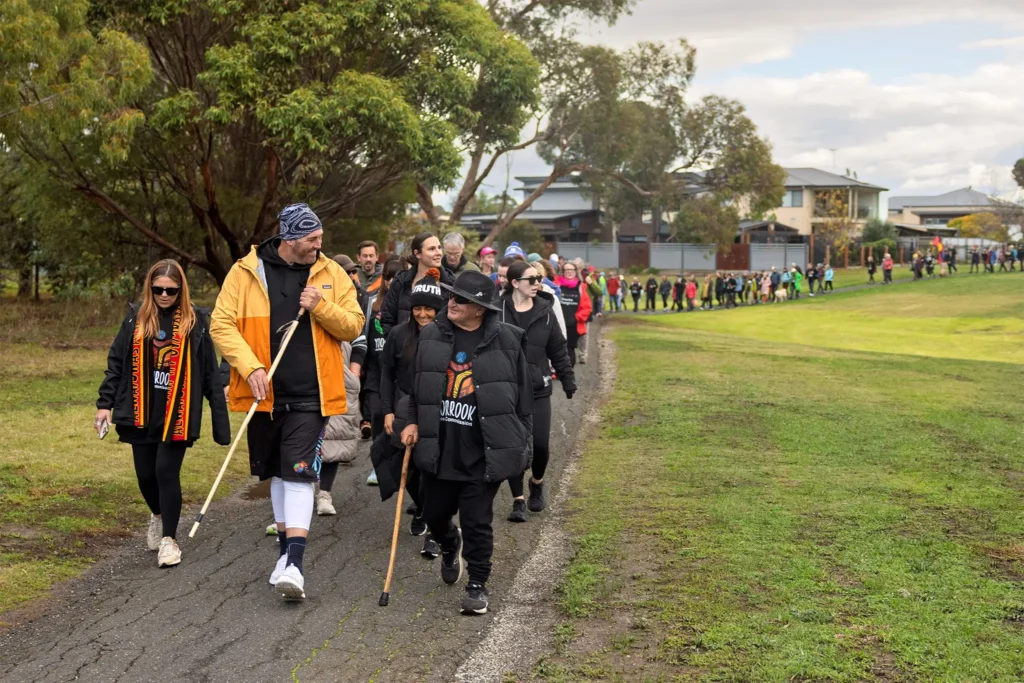
The Walk for Truth
In August, First Nations leaders, Traditional Owners, community supporters, and allies undertook a 500 km walk from Portland, on Gunditjmara Country, to the steps of Parliament House, passing through important sites of historical and cultural significance.
Over 5000 people took to the streets from May 25 to June 20 in a powerful demonstration of the importance of the Treaty Bill for First Nations peoples, highlighting the ongoing need to honour truth, even when confronting, and reckon with Australia’s past, present and future.
The journey demonstrated the strength, resilience and commitment of those working towards a more just and inclusive Victoria.
Image Source: Yoorrook Justice Commission

Yoorrook Commission's Final Report
A pivotal moment in the journey to Treaty was the release of the Yoorrook Commission’s final truth-telling report in July, 2025. This report outlined the ongoing impacts of colonialism and the persecution of Aboriginal and Torres Strait Islander peoples.
The report showed how profoundly these actions have affected First Nations children, fuelling cycles of harm and the removal of children from their families and communities.
The findings provided a critical evidence base for the Treaty process, shaping public understanding and informing the development of policies and reforms that prioritise First Nations self-determination and wellbeing.
The report outlined over 100 recommendations to better support Aboriginal and Torres Strait Islander children in education and youth justice policy.
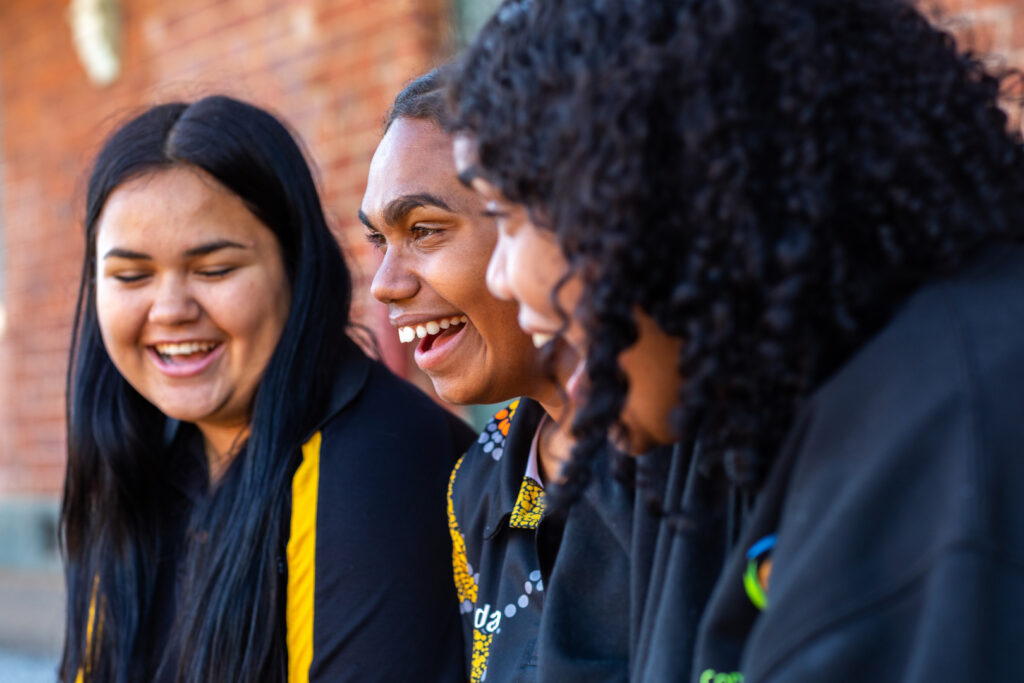
A New Era: Celebrating Treaty!
On December 12, 2025, the Victorian Parliament saw a resounding ‘Yes’ vote to the Victorian Treaty Bill. It was a day filled with celebration and connection, a culmination of the decade-long hard work and effort by First Nations People, and the first step toward a more inclusive and connected Victoria, where all Aboriginal and Torres Strait Islander voices are heard and respected.
The Centre is a proud supporter of the Treaty Bill. Together with our 150 partner organisations, we advocated for its passage to drive meaningful and lasting change across the child and family services sector.
“We are proud to have walked alongside Aboriginal-led organisations and their communities as friends and partners over many years, working together on the Beyond Good Intentions statement and as a signatory of the Wungurilwil Gapgapduir Aboriginal Children’s Agreement” said the Centre’s Interim CEO, Dr Michele Lonsdale.
“We have long supported Aboriginal-led models and practices which enable First Nations children to feel safe, supported, and connected to their culture.”
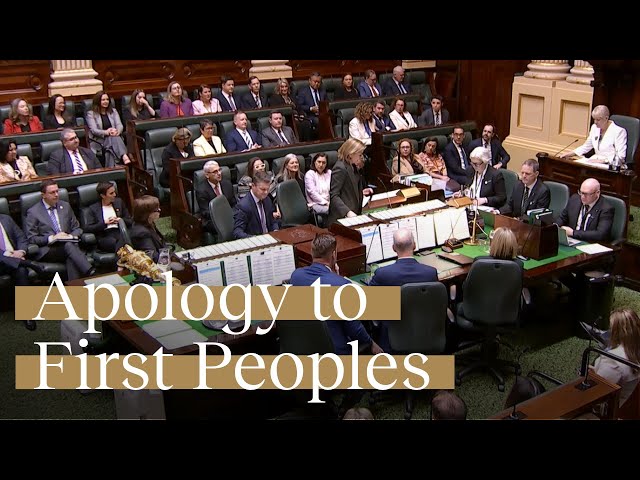
Formal State Apology to First Nations Peoples
The government acknowledged its colonial past and the harms inflicted upon Aboriginal and Torres Strait Islanders peoples, while committing to a future grounded in reconciliation and partnership.
Premier Jacinta Allan’s speech formally recognised and apologised for the “actions and inactions of the state” which have “long denied the First Peoples of its lands [sic], their rights and their self-determination”.
This apology follows a key recommendation from Victoria’s nation-leading Yoorrook Justice Commission and was a commitment of the State’s first Treaty, highlighting a promising future of culturally informed collaboration with First Nations peoples.
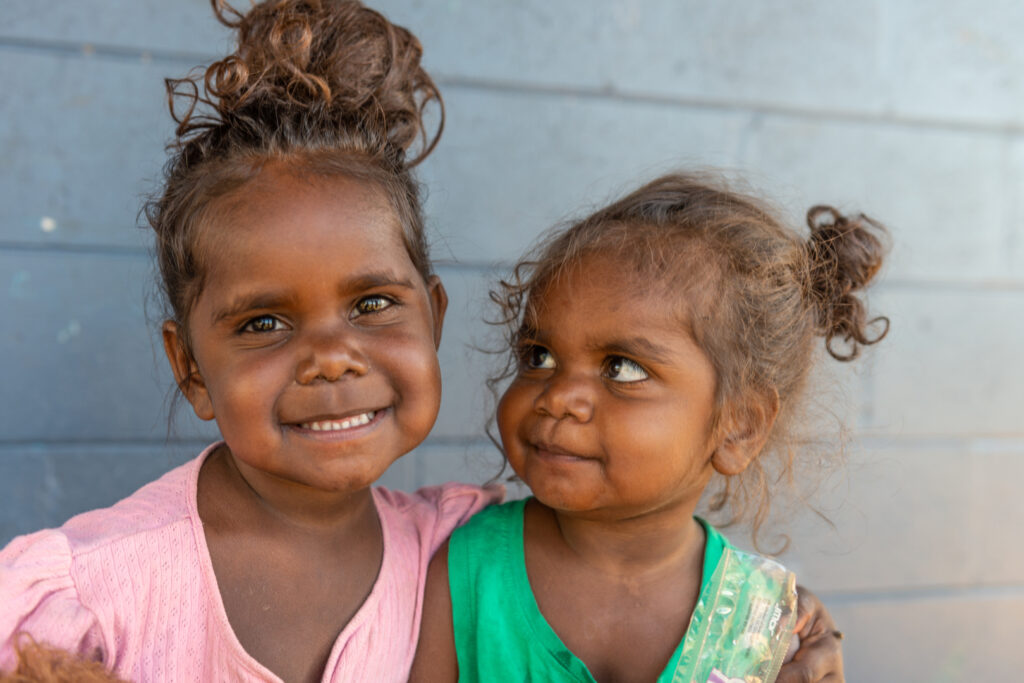
Looking to the future: What does Treaty mean for children, young people and families?
As Victoria enters this new era, there is much to celebrate alongside the work still to be done.
Treaty is ultimately an important first step towards a more equitable and self-determined future, where First Nations leadership, knowledge and community-led decision-making are placed at the forefront of policy and service design.
For children and families, Treaty holds the potential to break cycles of systemic harm that have disproportionately impacted Aboriginal and Torres Strait Islander families for generations.
The Secretariat of National Aboriginal and Islander Child Care (SNAICC) highlights this in its 2025 Family Matters Report. The report asserts that embedding First Nations perspectives and strengthening the role of ACCOs is essential to reducing the overrepresentation of Aboriginal and Torres Strait Islander children in out-of-home care. These approaches are also critical in preventing the unnecessary removal from families and communities.
The Centre is proud to celebrate and support Treaty as it represents a decisive step toward protecting children, strengthening families, and disrupting cycles of intergenerational harm.
Related articles

First Nations
Sector unites to call on parties to commit to Victoria’s children and families
22 Oct 2026
With just over five weeks until Victorians head to the polls, the Centre for Excellence in Child and Family Welfare brought together members, sector leaders and political representatives on Wednesday 21 October for our 2026 Election Call to Parties: A vision for Victoria’s children, young people and families.
First Nations
VACYPA Election Priorities: protecting progress
14 Oct 2026
VACYPA's election priorities focus on protecting the progress Aboriginal communities have fought hard to achieve, strengthening Aboriginal community control and advancing Aboriginal self-determination by ensuring governments continue investing in what works for Aboriginal children, young people and families.
First Nations
Federal Budget delivers important reforms for children and families
14 May 2026
Funding to establish a streamlined national Children and Family Support program, ongoing support for the National Office for Child Safety response to child sexual exploitation, and long-overdue reforms in the child support system, were highlighted as significant and positive steps forward in the 2026-27 Federal Budget.Last updated: 24 Dec 2025