How is the changing nature of work affecting child and family services?
Worldwide, people’s expectations of work are shifting. The Centre has hosted a successful co-design workshop with EY, focused on the workforce supporting children and families.
28 Mar 2025
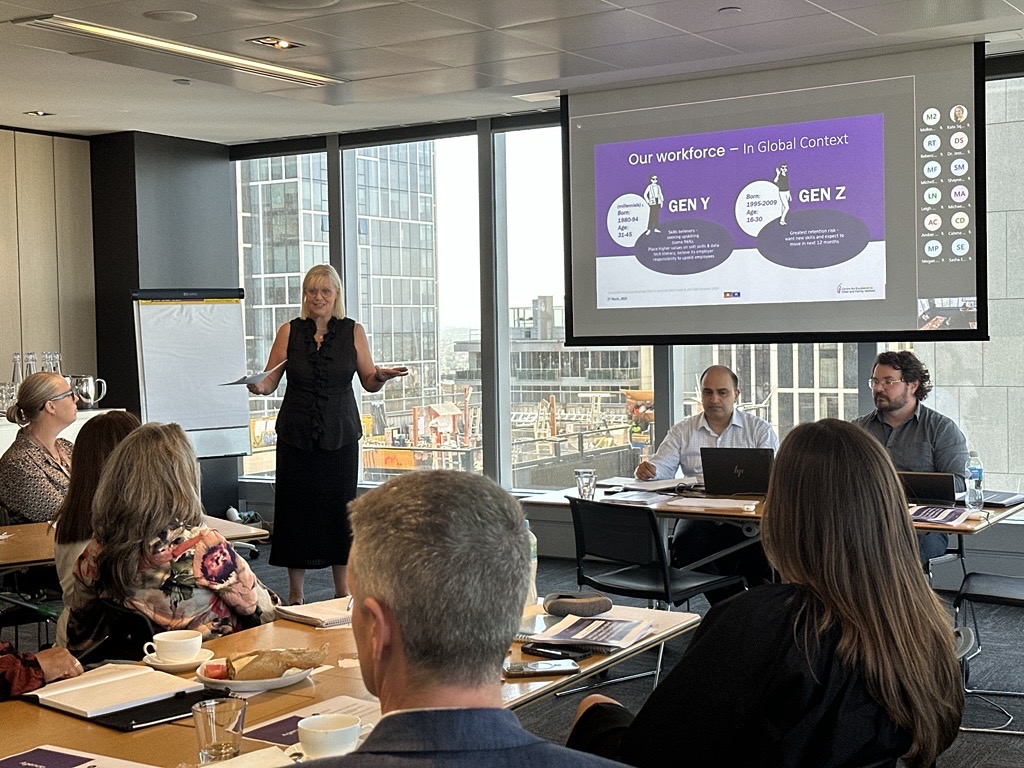
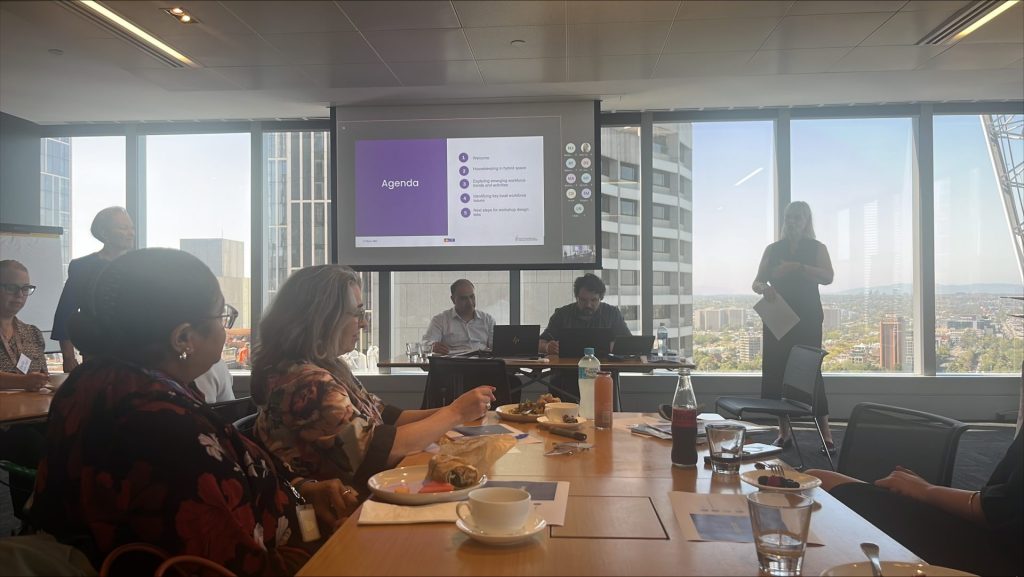
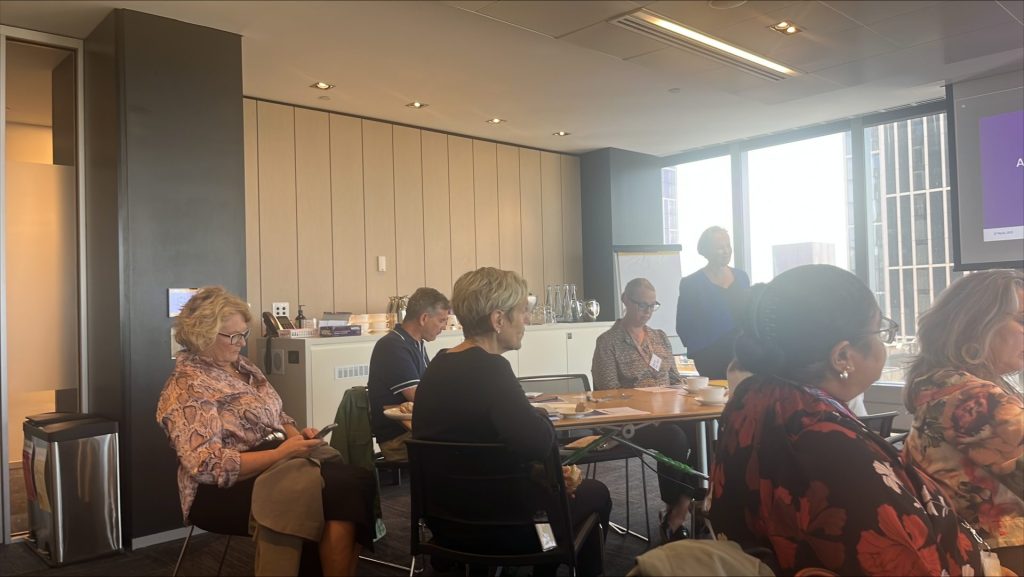
The Centre for Excellence in Child and Family Welfare has hosted a successful co-design workshop with EY, focused on the workforce supporting children and families.
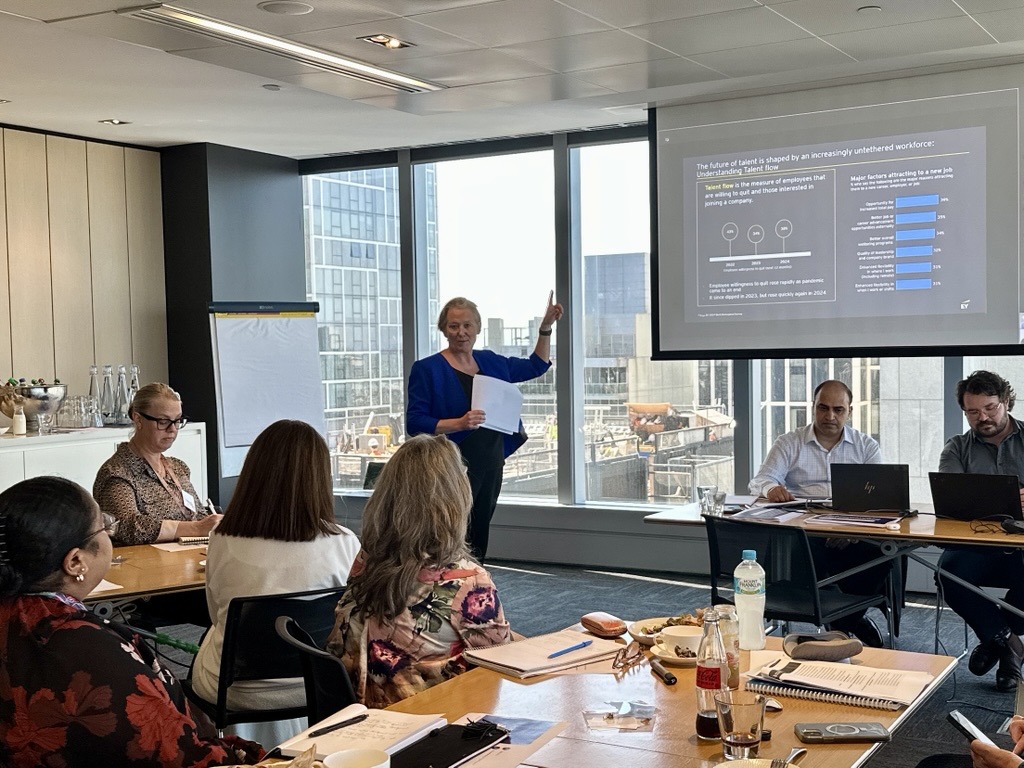
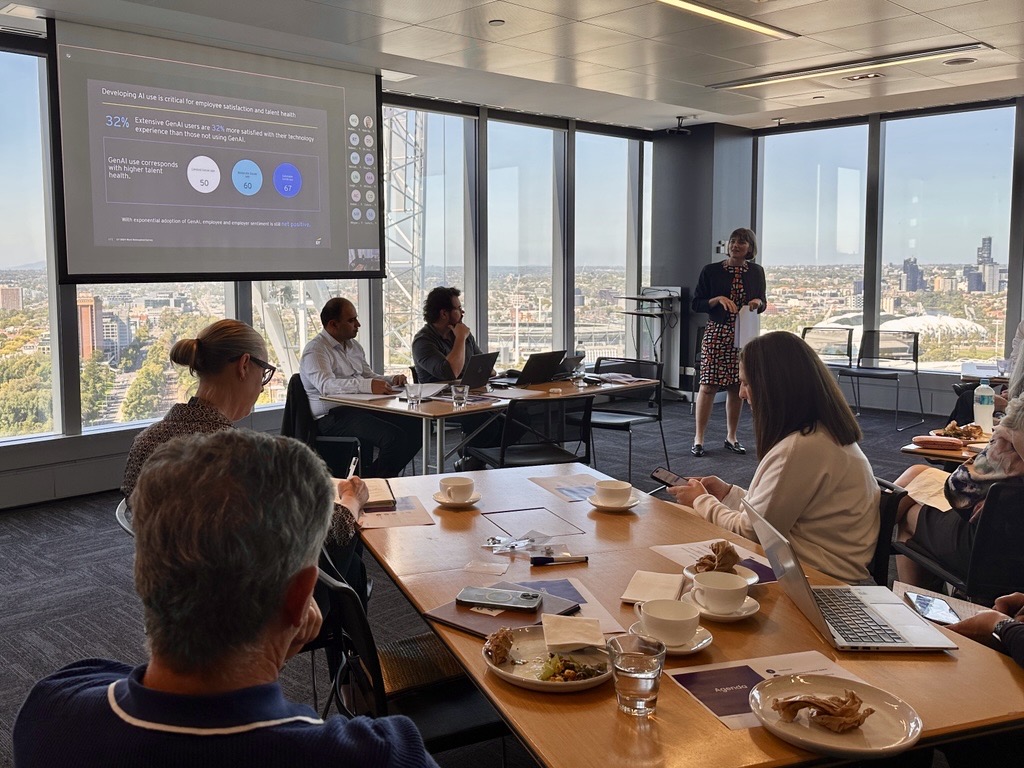
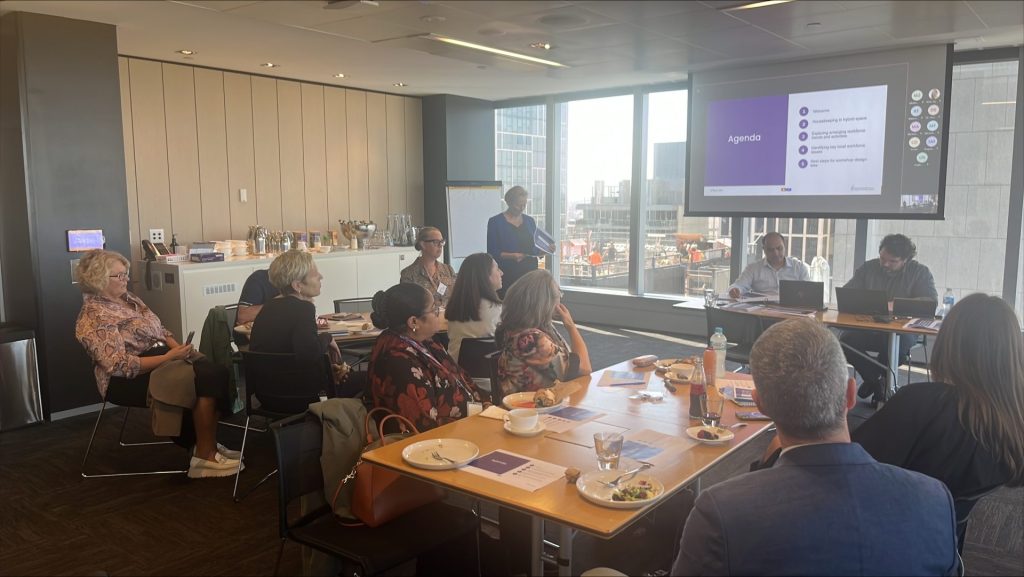
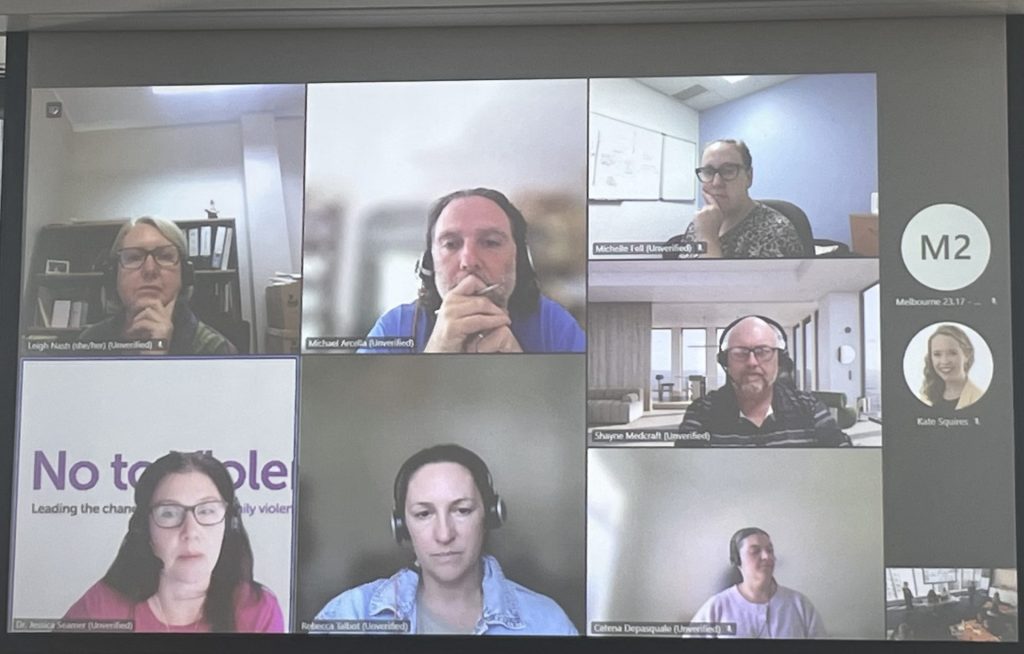
Held at EY in Melbourne, the workshop brought leaders from organisations supporting children and families together to discuss workforce trends.
Attendees expressed a strong desire to keep working together to develop innovative responses to the challenges and constraints faced by their workforces.
Yesterday’s workshop was the first in a series of three. Two further workshops are planned for this year.
Attendees came from organisations working with children and families in different ways, from specialist services through to organisations offering broad-ranging services.
Centre CEO Deb Tsorbaris says the workshops aim to help build a brighter future for the workforce supporting children and families.
“It’s clear that workforces in every industry are changing rapidly,” she said.
Technology, flexibility, and attractive pay and conditions key for workers
Worldwide, people’s expectations of work are shifting.
Global workforce data presented by EY showed employees are now more focused on the total rewards package and compensation workplaces can offer.
Opportunities for learning and career advancement are also key, as well as flexible work arrangements.
The data also shows that employees value workplaces that are diverse, inclusive, and that strive for equality.
Younger generations are also looking for workplaces that embrace new technology.
“Employees from across the generations – especially Gen Y and Gen Z – have different perspectives on life and work, and we need to understand how these are shaping the workforce in new ways,” Ms Tsorbaris said.
Why the ‘sandwich generation’ matters for workers and their workplaces
Nationally, more than 75 per cent of workers in child and family services are female, with a median age of around 40.
Almost 40 per cent of the sector’s workers are employed part-time.
Victoria is home to about 25 – 35 per cent of the sector’s workforce.
Both the Centre’s workforce survey and the latest Family Services survey by the Department of Families, Fairness and Housing (DFFH) show the sector’s Victorian workforce is mostly female – around 92 per cent.
Millennials are the main group in the workforce, and many Gen Y practitioners started working in child and family services some 20 years ago.
“It is clear that the commitment and dedication to making a difference or adding value in the context of a passion to support children and families is a key motivating factor for our workforce,” Ms Tsorbaris said.
“Our current workforce survey has this reason nominated at just under 70 per cent.”
Gen Y and Z workers are looking for jobs that align with their personal values and provide a sense of purpose. They want work-life balance, and opportunities to upskill.
With many of the sector’s workers aged between 35 – 44, the Centre is expecting a growth in the “sandwich” generation.
“That is, having dependent children and older people to care for,” Ms Tsorbaris said.
“In our current workforce survey, some 50 per cent of respondents have dependent children, and some 23 per cent of respondents have carer responsibilities for other than children.
“Given global trends we anticipate the numbers of workers with these responsibilities will increase.”
Leaders gather to create change
The 2024 DFFH Family Services survey showed the sector’s workforce was becoming more stable, and people were inclined to stay with an employer for two to five years.
However, retention remains a risk for employers, especially with Gen Z workers, who are more open to changing jobs to satisfy their needs and expectations.
Burnout and stress remain among the key reasons the sector’s workers are considering leaving jobs, as well as heavy workloads and limited resources.
There is so much happening within the sector to meet the needs of workers and workplaces, including opportunities for leadership and skills development.
The next two workshops the Centre and EY are hosting will focus more on opportunities and innovation for a future-focused child and family workforce.

Related articles

Events
Learn, connect and share at the 2027 Carer Kafe Learning and Development Conference
05 Nov 2026
The Centre’s Carer Kafe program is pleased to announce the 2027 Carer Kafe Learning and Development Conference to be held at the Sofitel Melbourne on Collins from the 22 to 23 April, 2027.
Events
Sector unites to call on parties to commit to Victoria’s children and families
22 Oct 2026
With just over five weeks until Victorians head to the polls, the Centre for Excellence in Child and Family Welfare brought together members, sector leaders and political representatives on Wednesday 21 October for our 2026 Election Call to Parties: A vision for Victoria’s children, young people and families.
Events
Family Services Symposium 2026
29 Jun 2026
The 2026 Family Services Symposium: Together with Families brought together almost 500 family service practitioners to celebrate the vital role of family services in promoting the wellbeing of children and families.Last updated: 28 Mar 2025