Bringing it all together: 16 Days of Activism
As our 16 Days of Activism campaign ends, our call to address the impacts of domestic and family violence on young people continues.
10 Dec 2025

As our 16 Days of Activism campaign comes to an end, our call to address the impacts of domestic and family violence on young people continues.
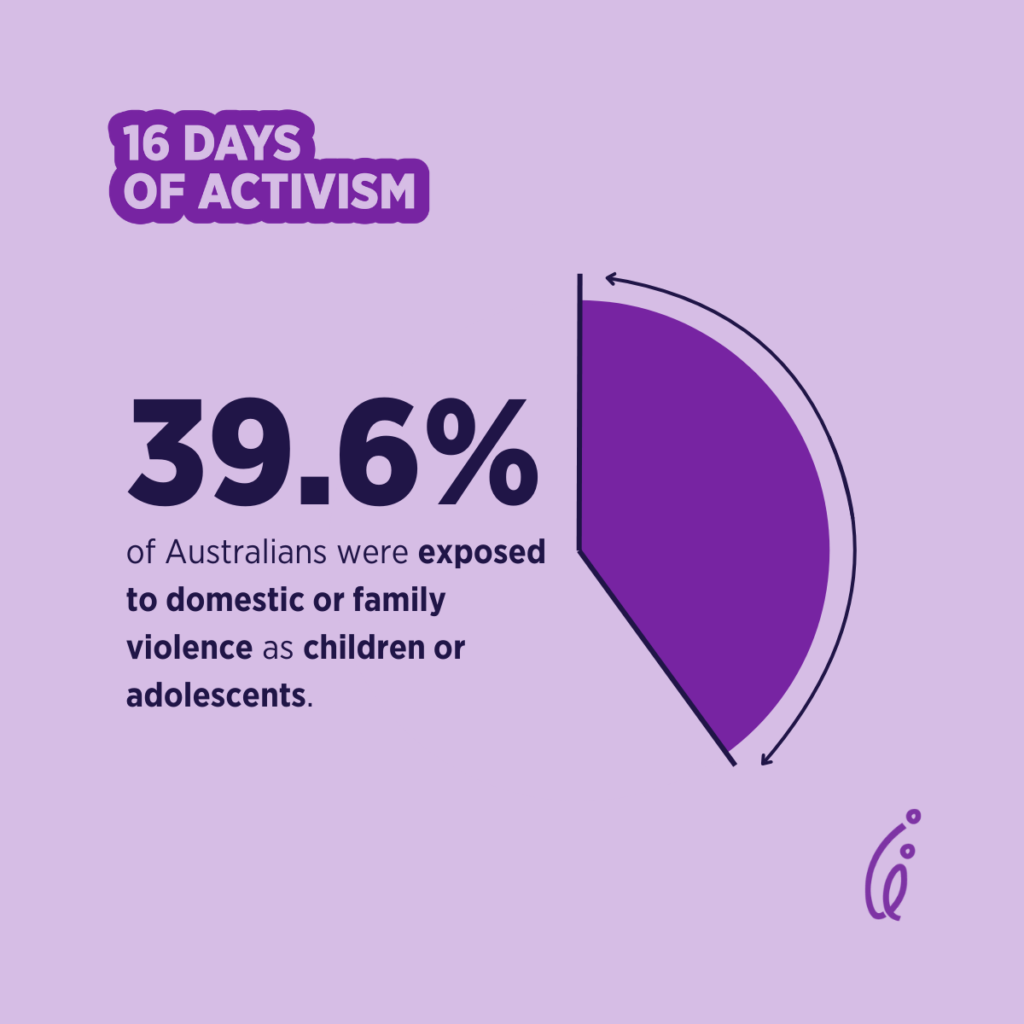
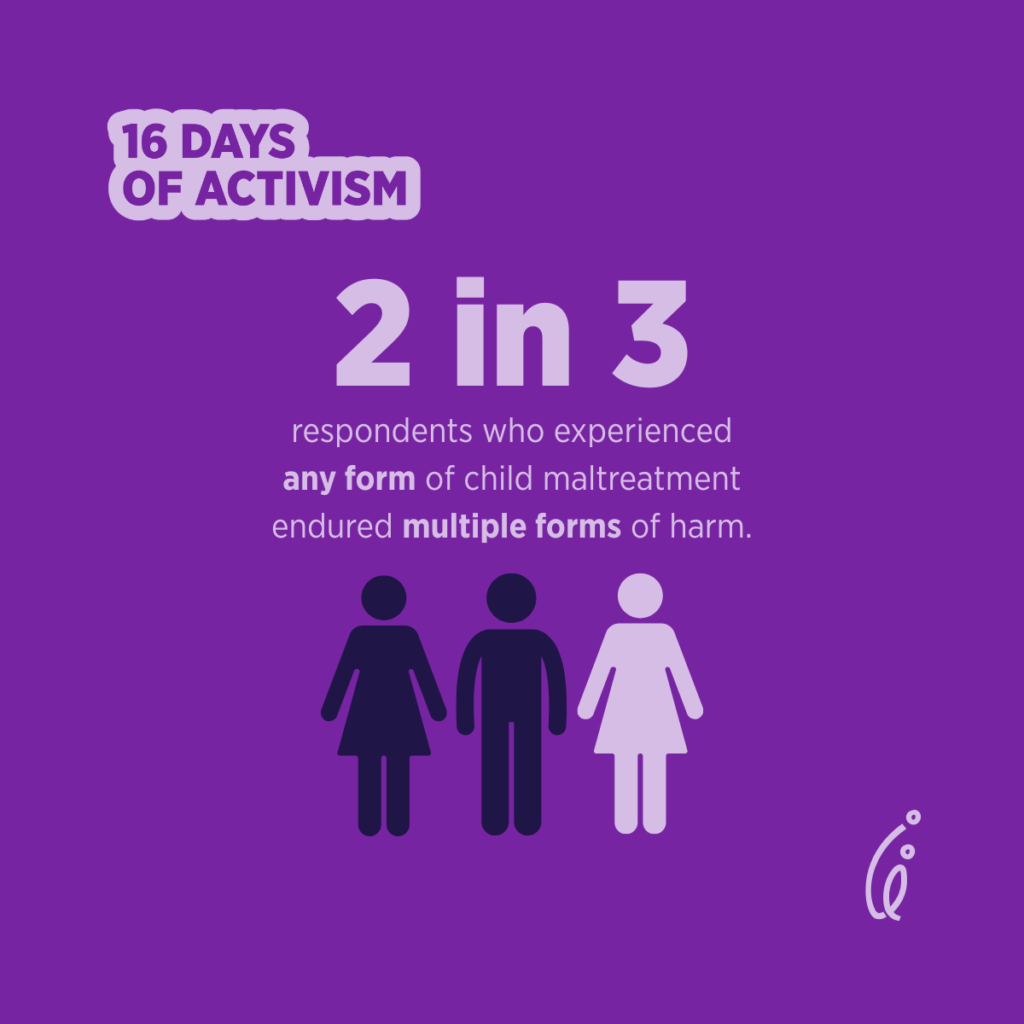
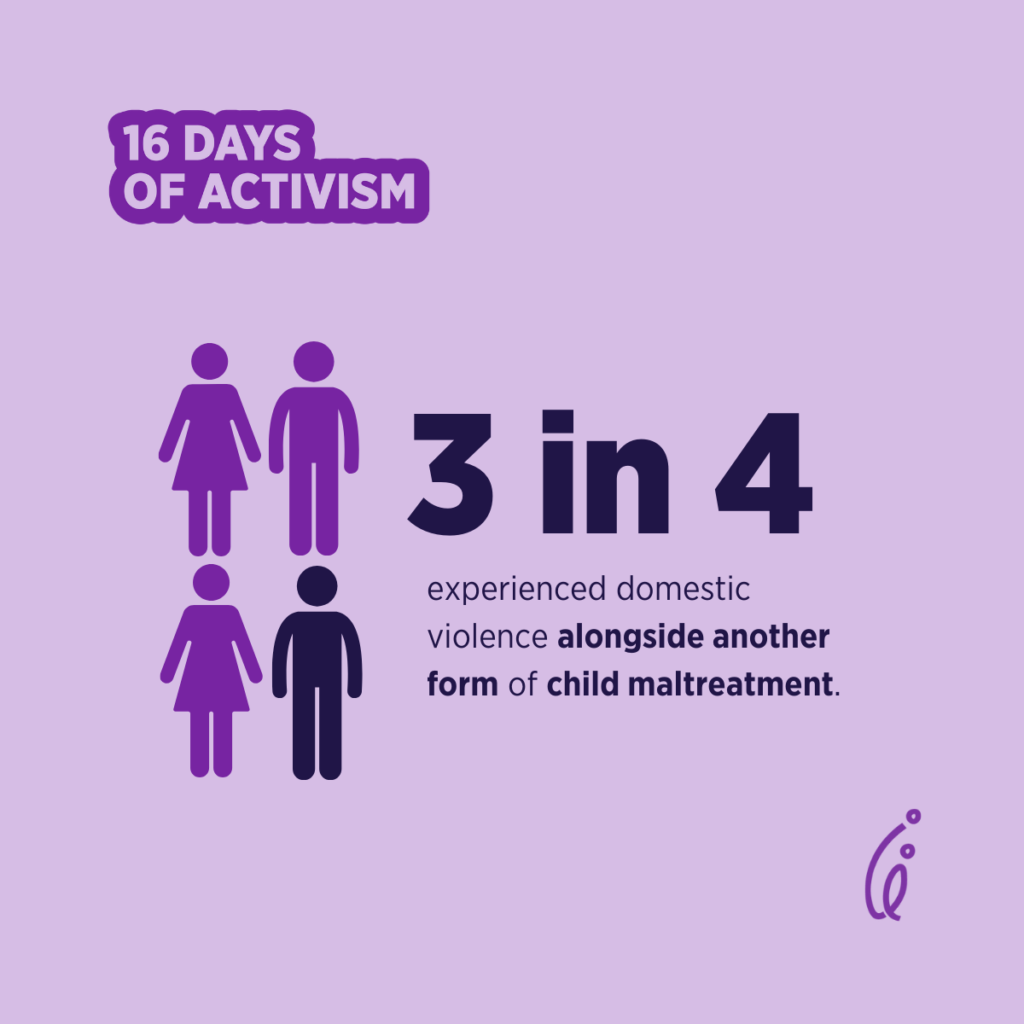
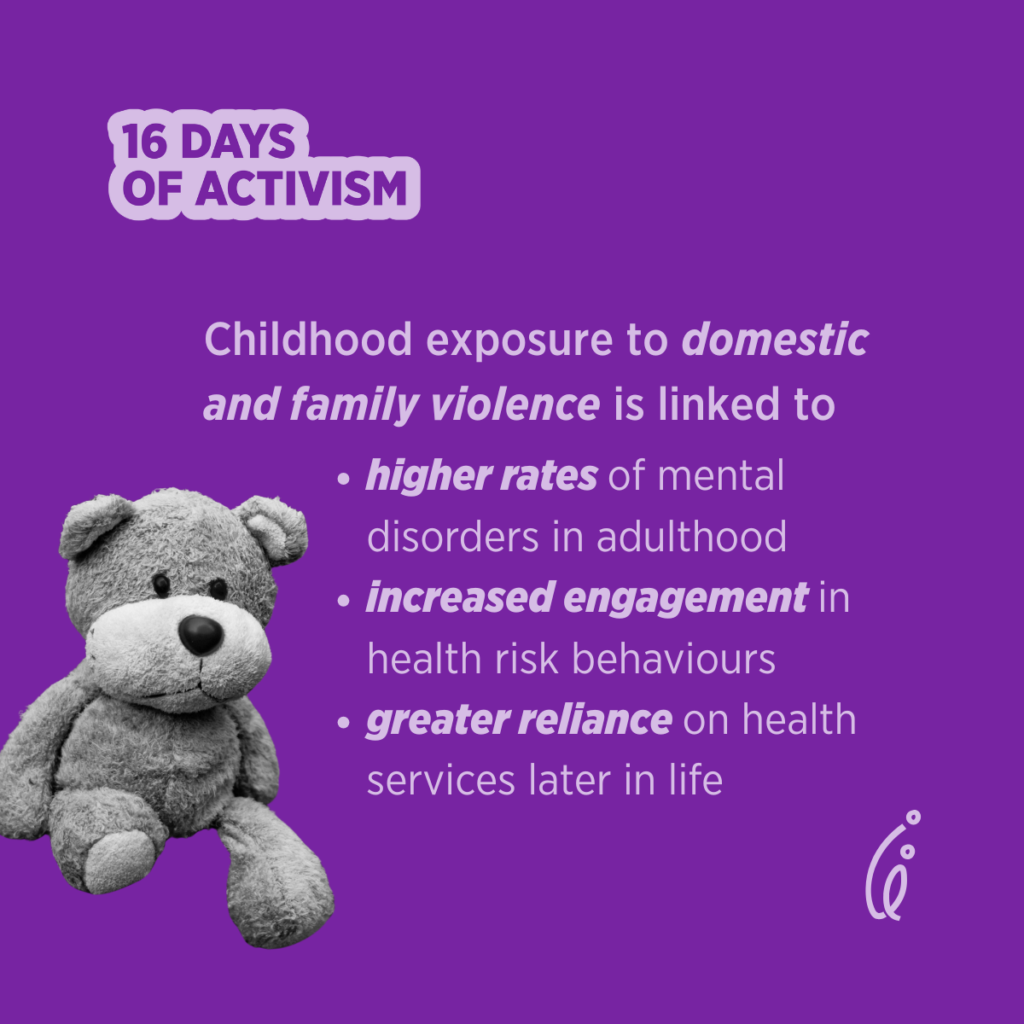
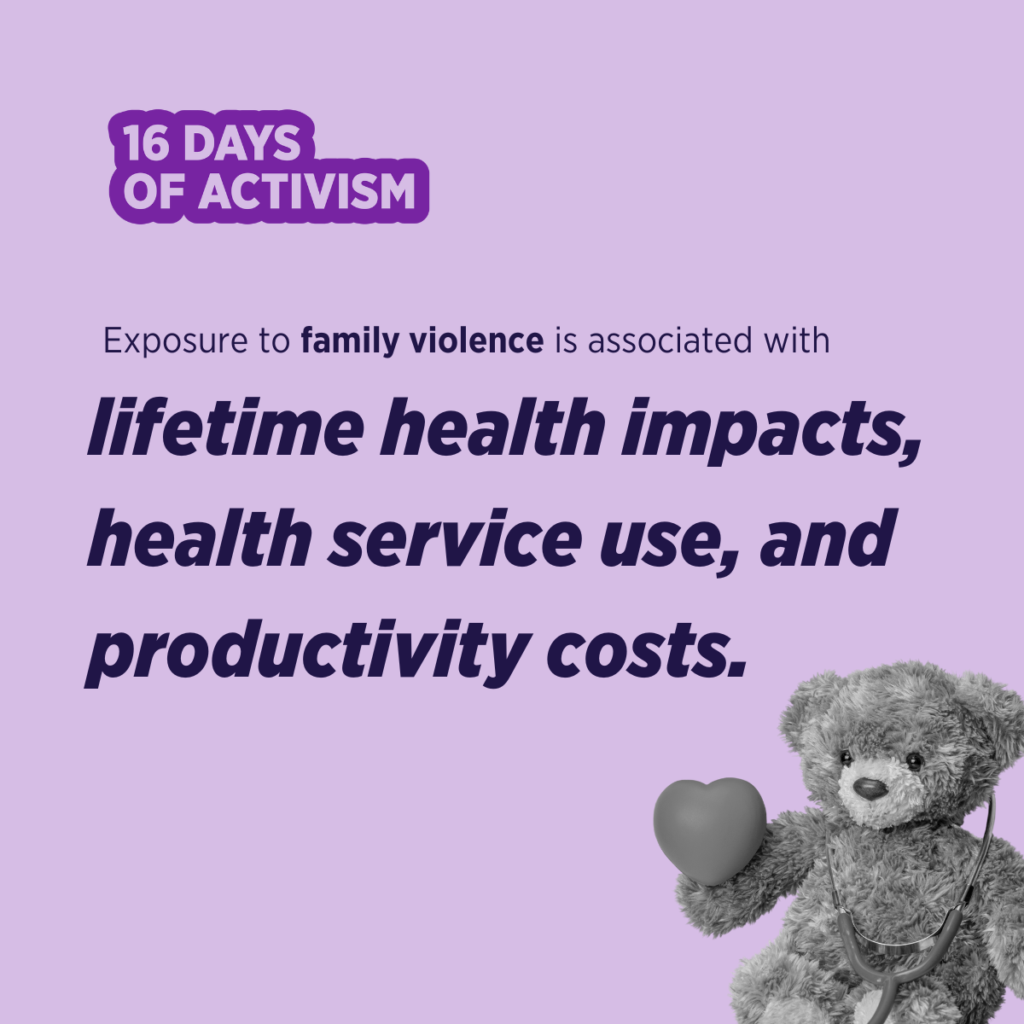
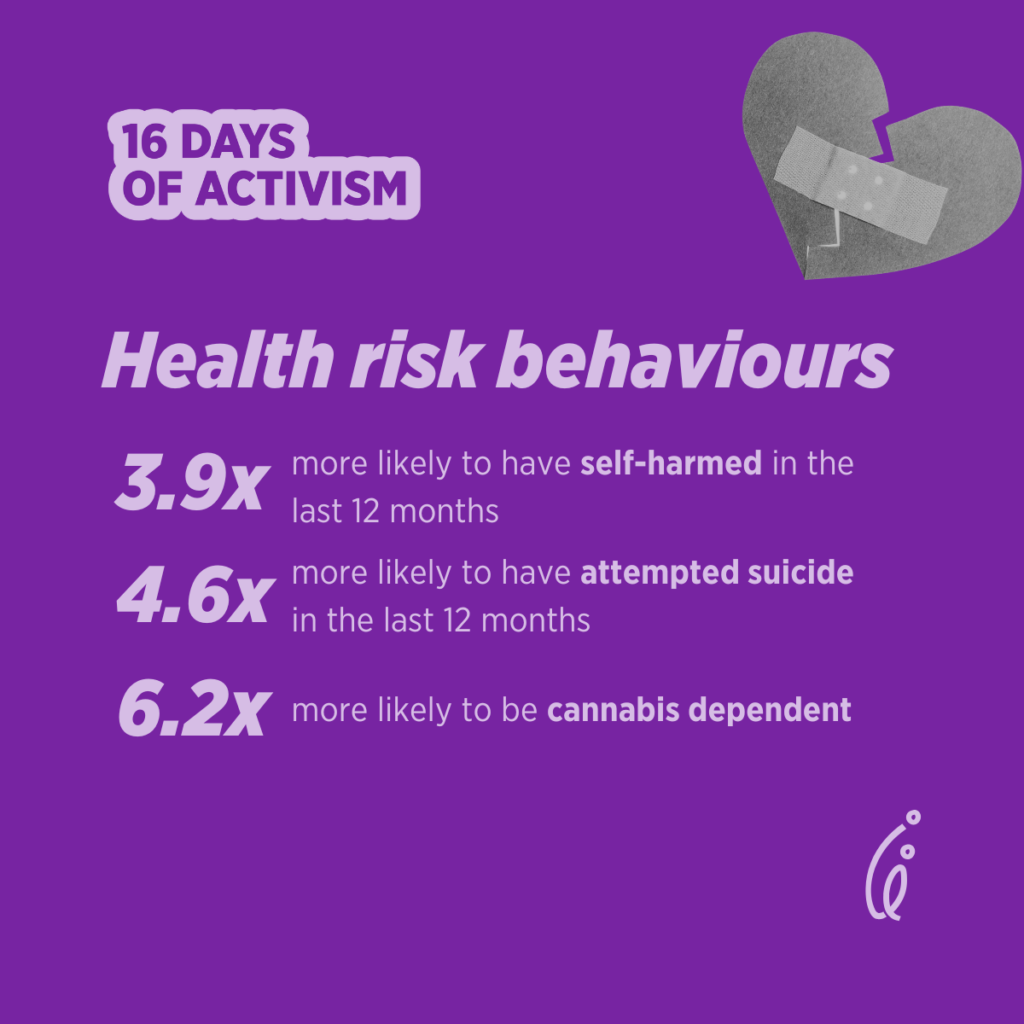
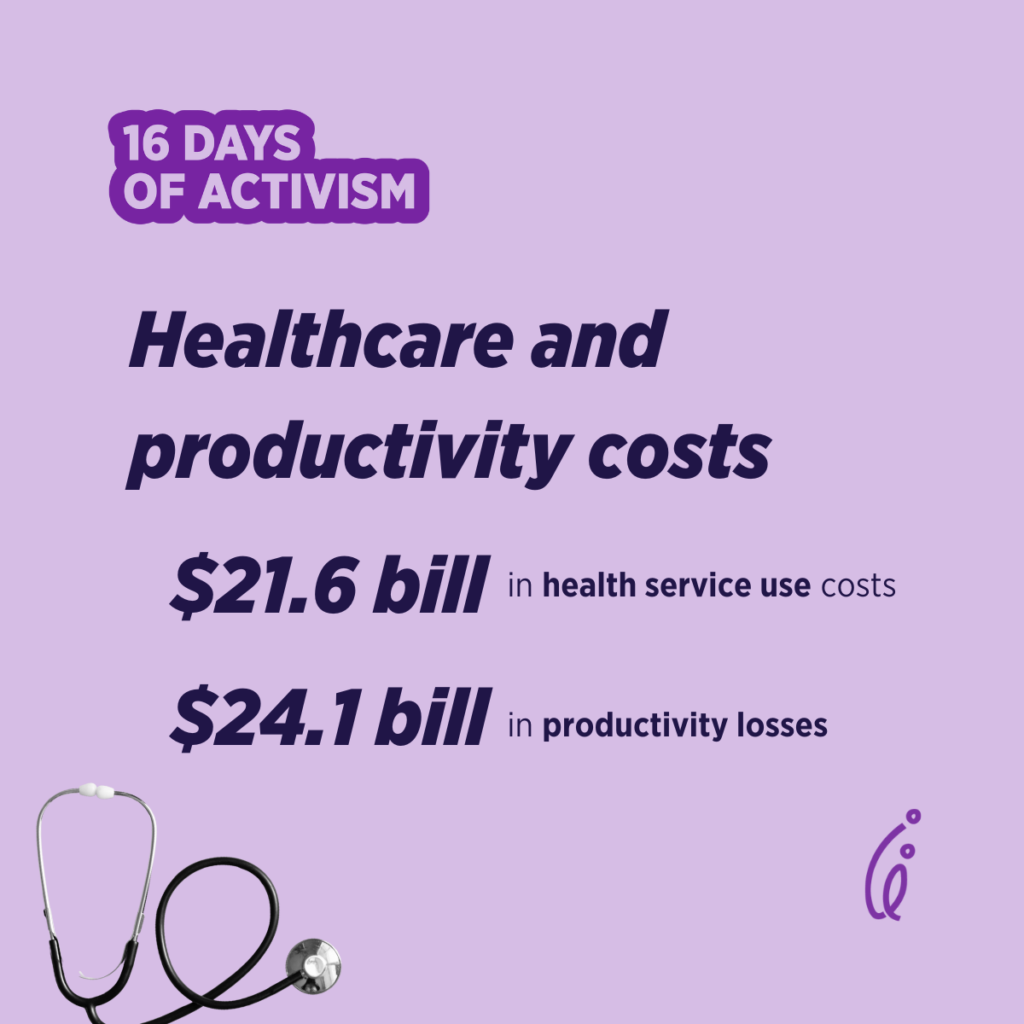
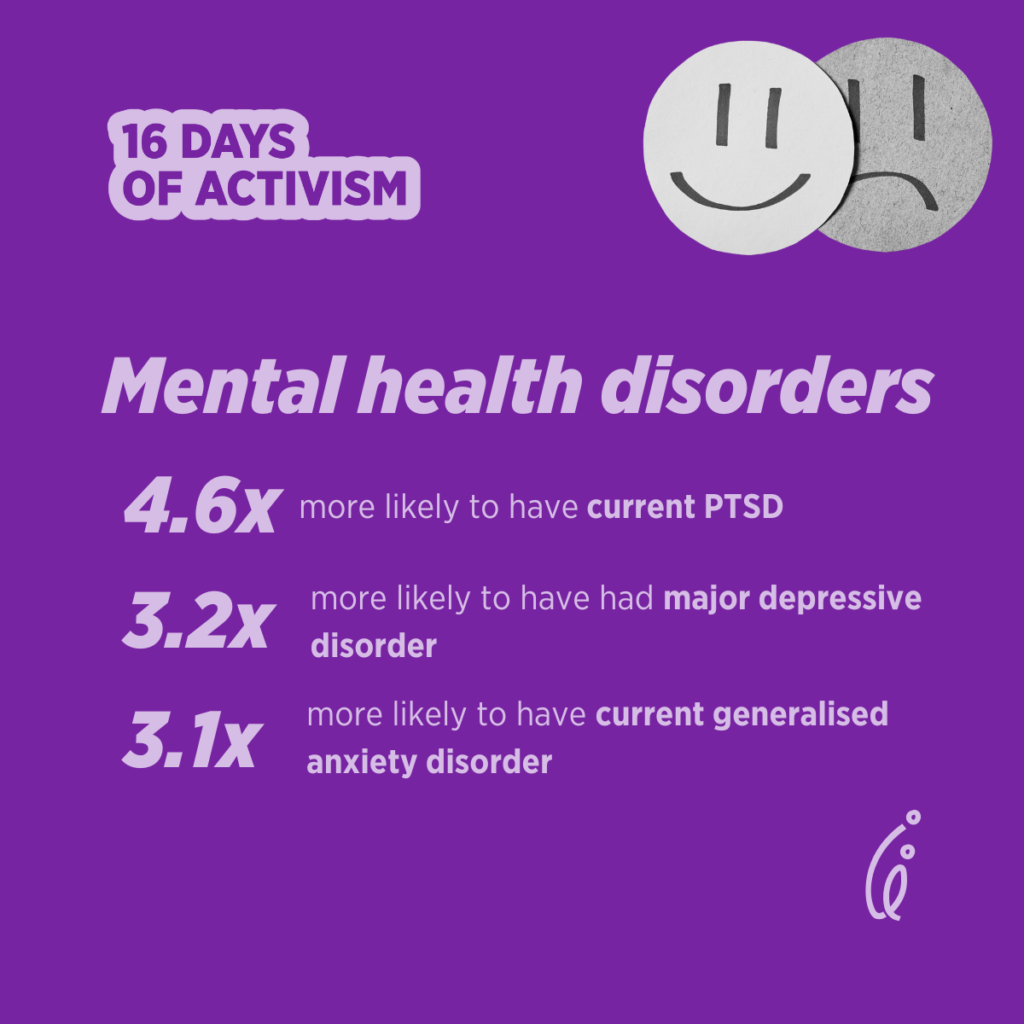
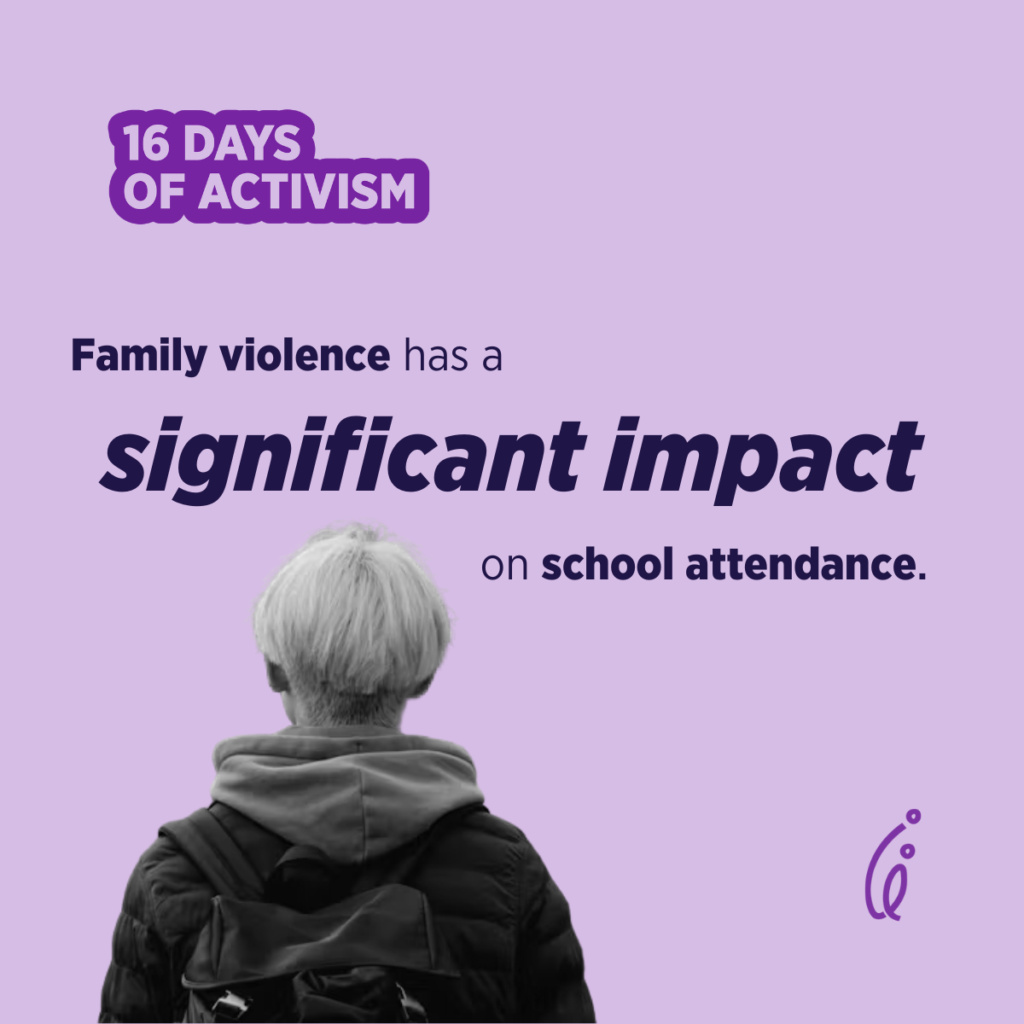
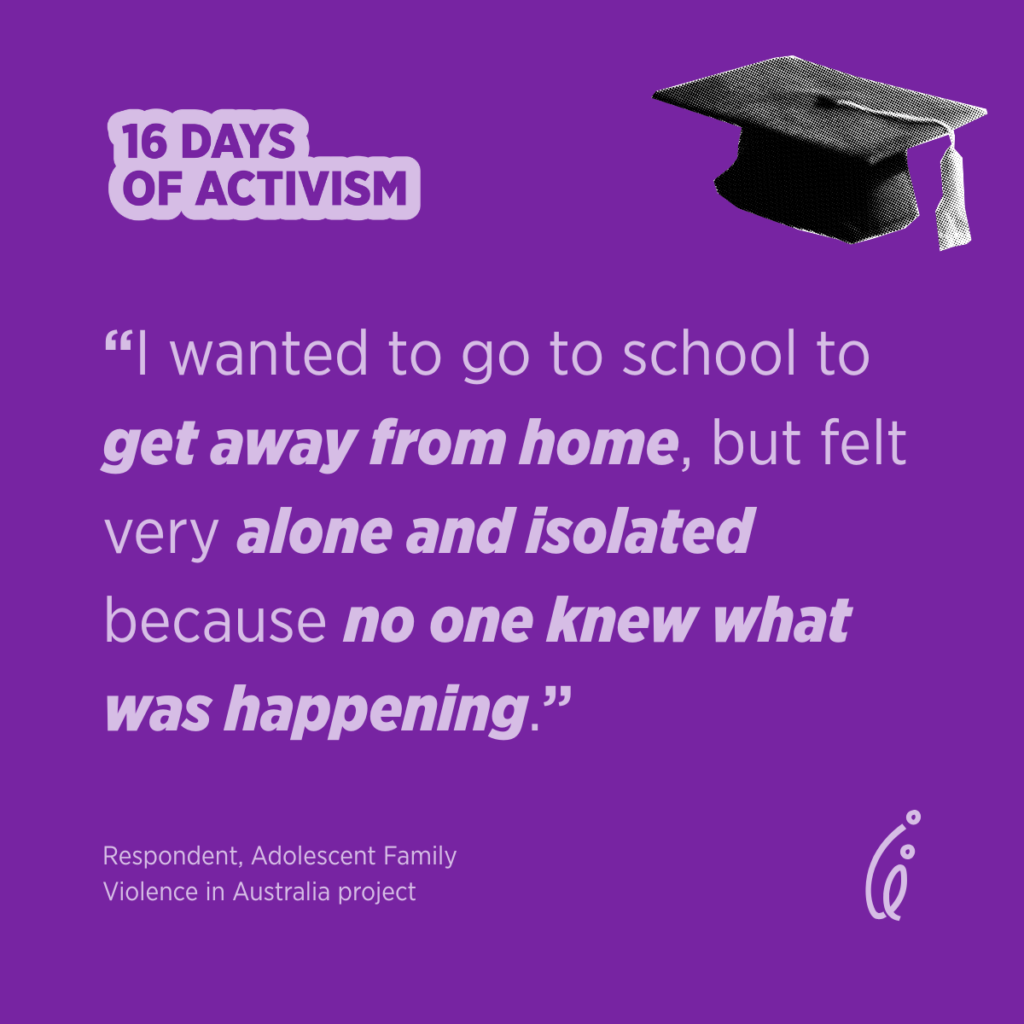
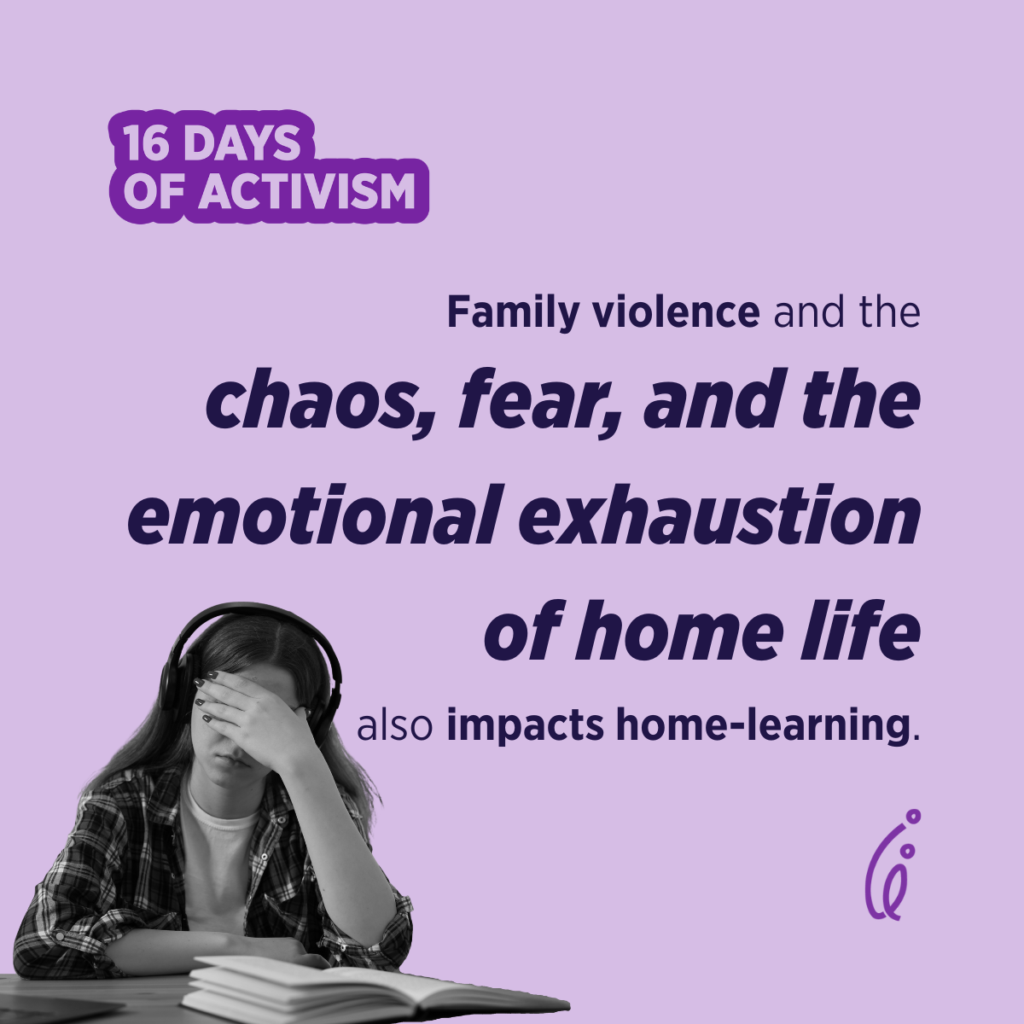
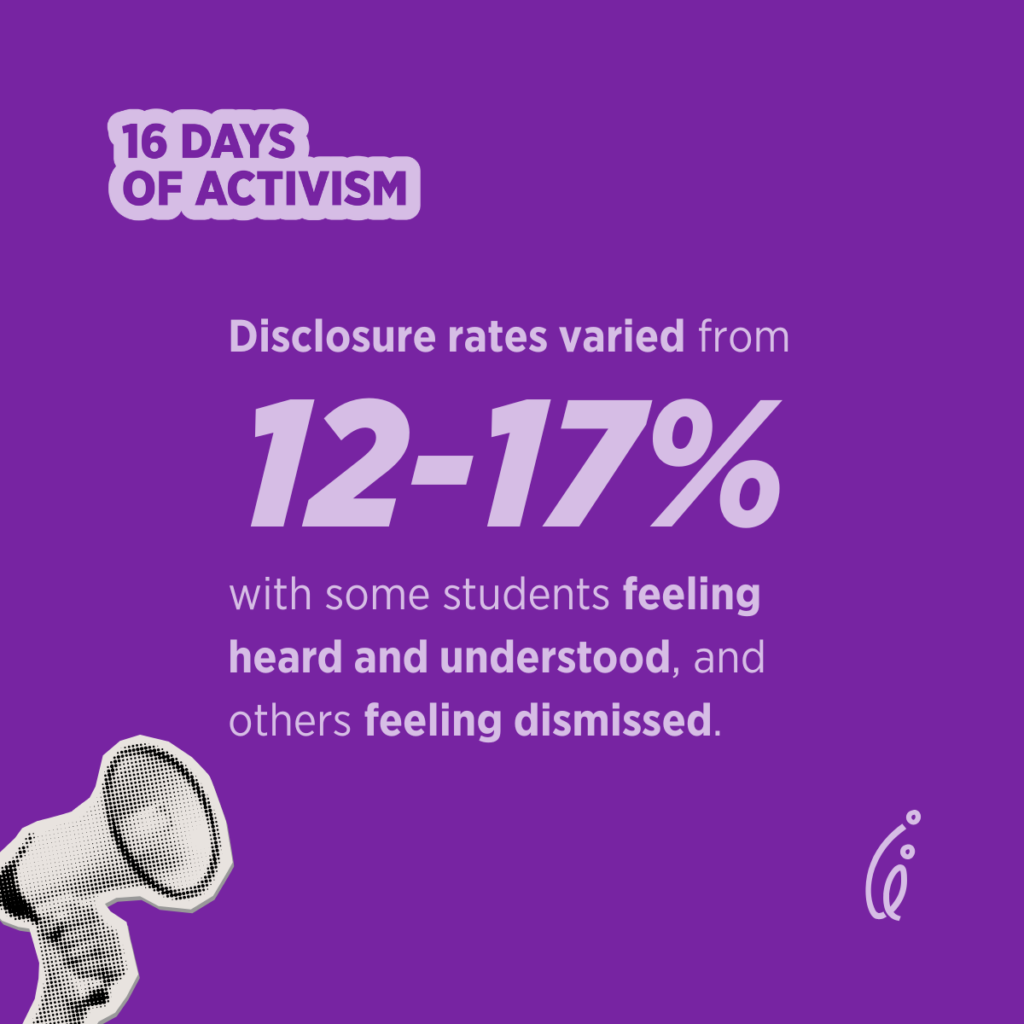
As we’ve explored over the last few weeks, exposure to domestic and family violence has ramifications for children and young people’s education—such as their participation in school—and health outcomes, from mental health and wellbeing to health risk behaviours and service use.
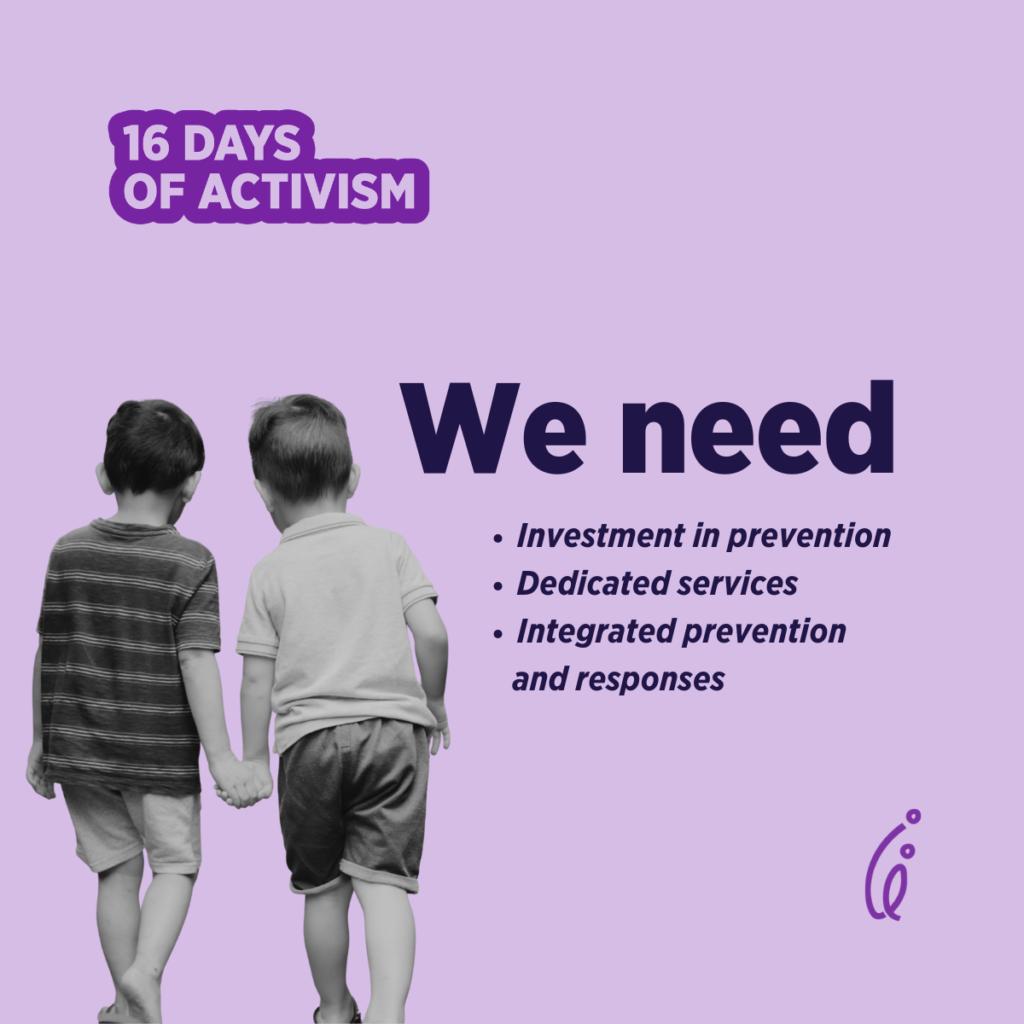
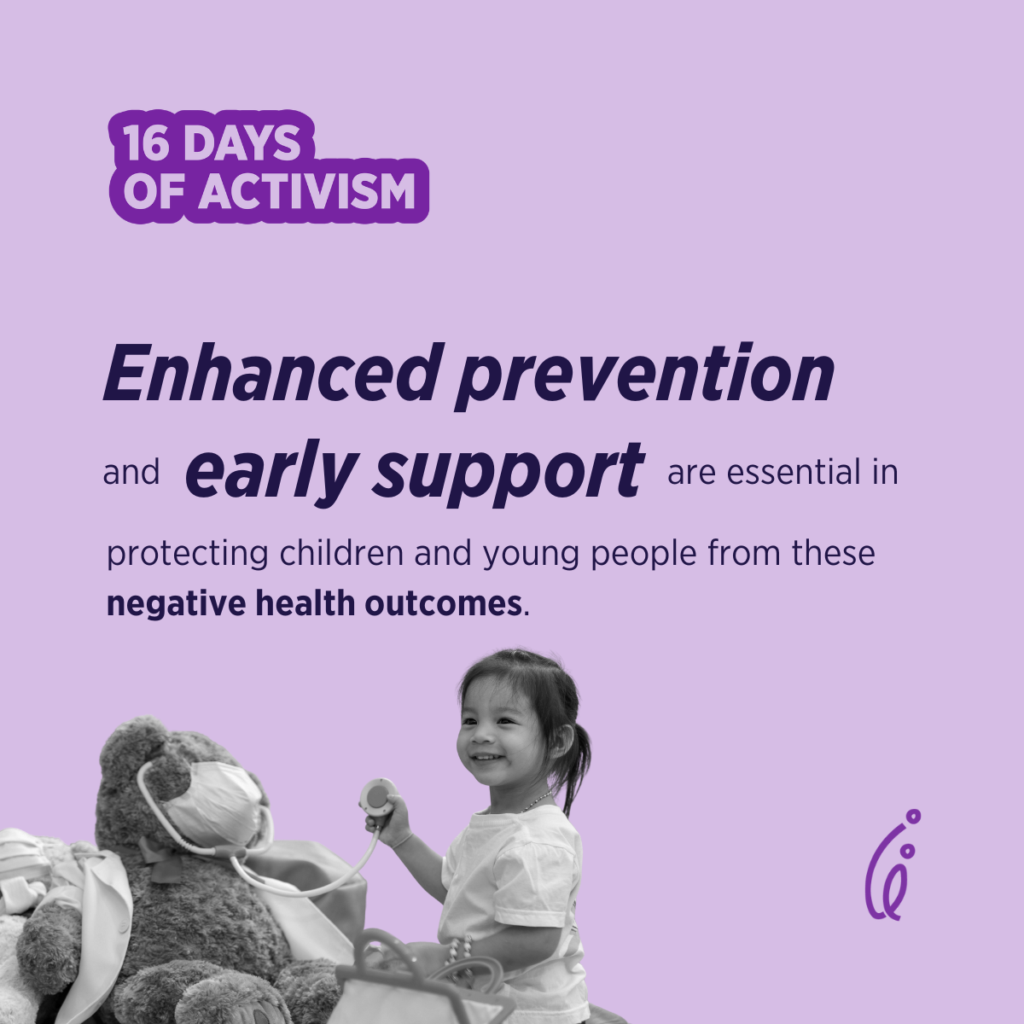
Multidisciplinary, child-specific services in child-friendly settings are essential. But these alone are not enough. We must also act earlier, using proven measures to prevent child maltreatment associated with exposure to family violence in addition to other forms of maltreatment, before harm occurs.
The case for primary prevention
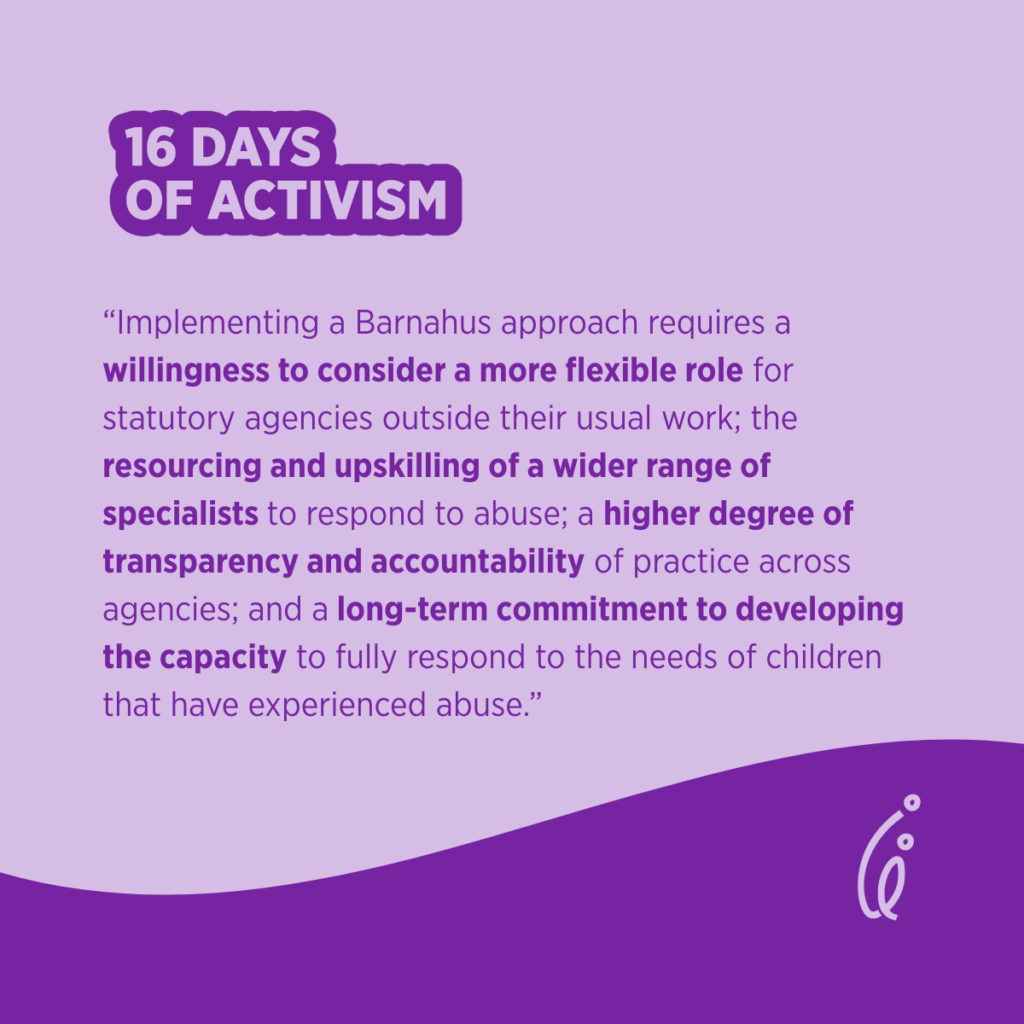
As Professor Daryl Higgins, Director of Australian Catholic University’s Institute of Child Protection Studies, says, it’s time to move away from reactive interventions and towards primary prevention. This was a recommendation from the Australian Research Alliance for Children and Youth (ARACY) report Inverting the Pyramid in 2008.
This ‘pyramid’ of response to child maltreatment—including exposure to domestic and family violence—involves three levels:
- Primary prevention: Stopping harm before it occurs
- Secondary prevention: Early detection and intervention
- Tertiary response: Addressing harm after it’s already occurred.
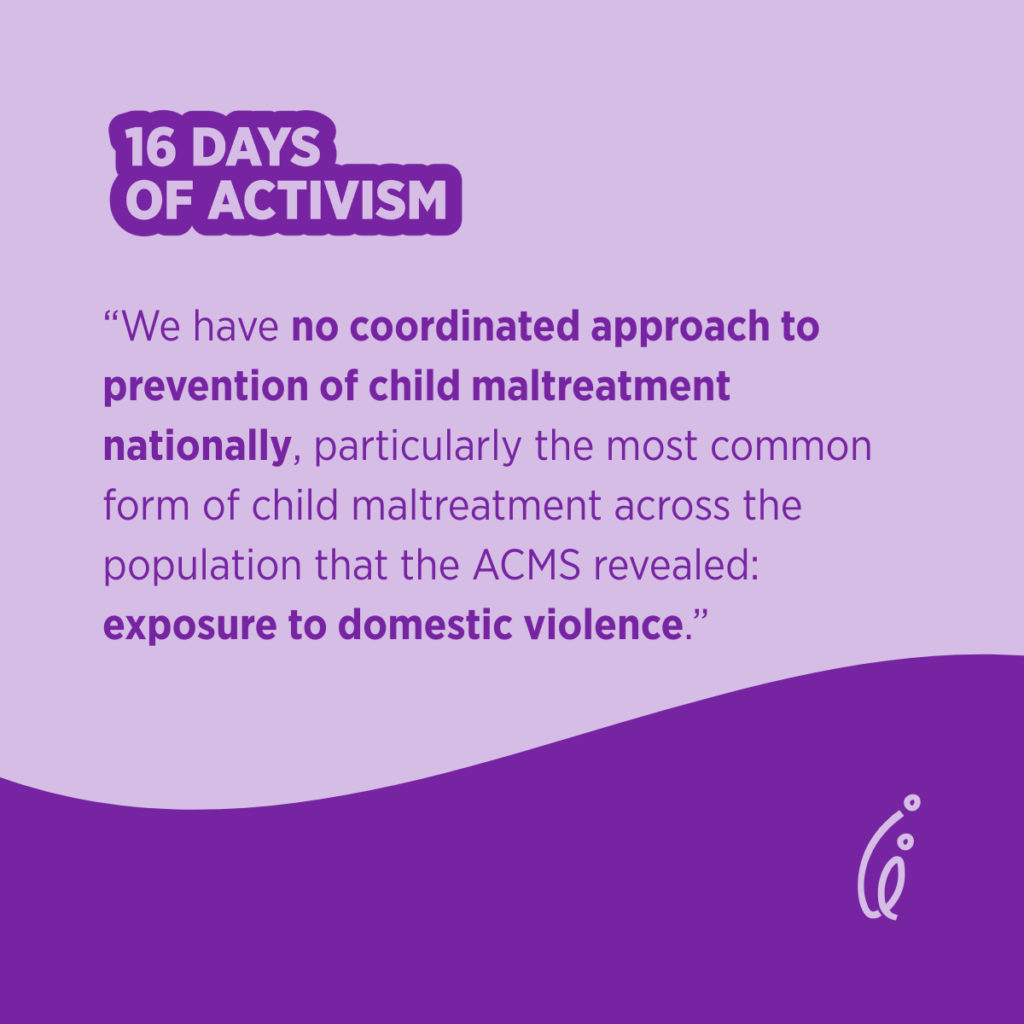
“Too often, resources are concentrated at the tertiary level, after a child has been harmed or a family is in crisis,” says Higgins. “This is costly not only in economic terms, but in the human toll of trauma, loss, and diminished potential.”
“Primary prevention is not just the most humane approach; it is also the most cost effective. The challenge lies in embedding it consistently across sectors and systems.”
From policy to practice
“Change is not achieved by policy alone,” says Higgins. “Effective prevention requires meeting people where they are—understanding the realities of their context—and translating recommendations into actionable, everyday practice.”
According to Higgins, this means:
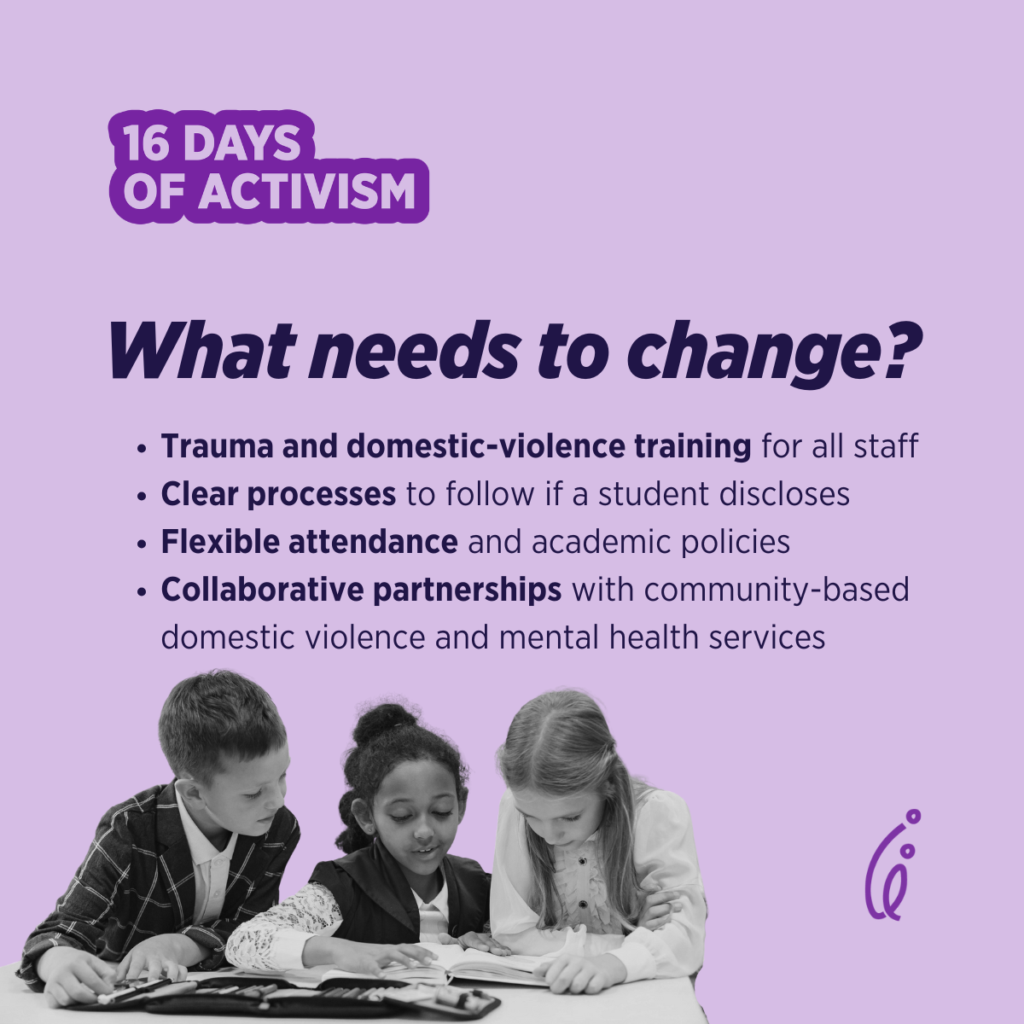
- Equipping workforces with shared language and approaches.
- Aligning child safety and mental health prevention strategies.
- Embedding trauma-informed principles into every service that touches a child or family.
- Tracking and evaluating what works to continuously refine practice.
Protecting children is everybody’s responsibility
To protect Australia’s children and young people from exposure to domestic and family violence, we need to address gender-based violence itself. In doing so, it’s clear that preventing child maltreatment and this particular form of harm, is not just up to one sector or service, but is everyone’s responsibility.
“By inverting the pyramid and integrating prevention efforts across silos, we can move from a fragmented, crisis-driven system to a connected proactive one,” says Higgins.
Preventing and protecting children, young people, and families from gender-based violence and child maltreatment, is our aspiration for the future: one where every child has the opportunity to grow up safe, supported, and thriving.
Explore our articles
What does the data tell us?
Shareable resources