Windermere's Switch to Social Work success story
Windermere Child and Family Services is just one organisation that has seen great success with the Centre's Switch to Social Work program, welcoming in the next generation of social workers through an integrated employment pathway.
31 Mar 2025
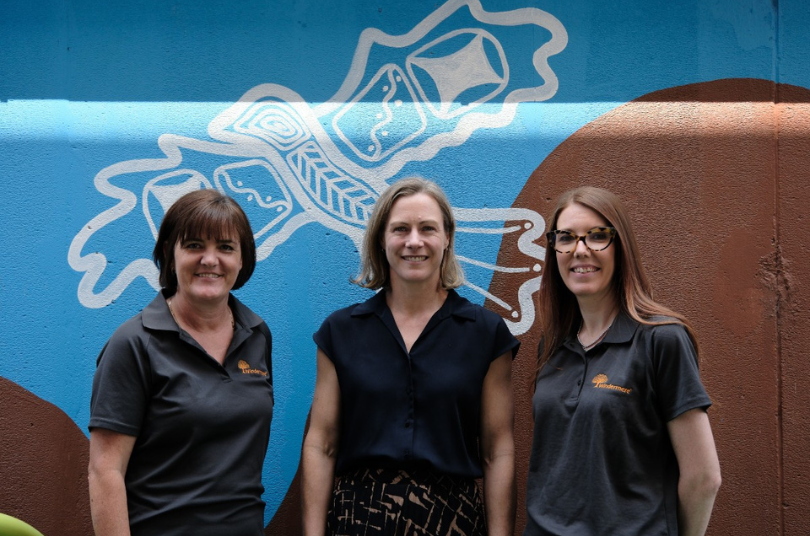
Windermere Child and Family Services is seeing the benefits of an integrated employment pathway, as it hosts participants in the innovative Switch to Social Work (STSW) program through work experience and intern placements.
“Windermere is really committed to the Switch to Social Work program and its participants,” said Sophie Salisbury, Windermere Student Unit Co-Ordinator. “We’re a learning focused organisation, and we recognise the value of giving these participants an opportunity to apply the theoretical knowledge in a practical setting.”
STSW is designed to support people seeking a career change through a new, employment-based Master of Social Work (Child and Family Practice) degree. The program combines postgraduate education with an integrated employment model, giving participants the opportunity to apply their academic learnings in a service delivery setting — such as Windermere.
“I think it’s a great opportunity for people who are wanting to pursue that career when they’ve previously studied in another area. They are very passionate about where they’re headed, and what they want out of this career,” said Sophie.
“They bring their years of previous work experience to the table, and that’s what they’re bringing for our consumers and for their colleagues. They have taught our staff a lot, and I think it’s really been a two-way street in terms of what they’ve brought, and what they’re gaining from being at Windermere.”
Building workforce capacity
The work of Windermere and the child and family welfare sector on a whole is vital to ensuring that children, young people, and families at risk have access to the right safeguards and supports, building resilience within families and communities, and providing targeted care to meet specific needs.
However, the sector has been facing staff shortages in the number of qualified social workers entering the workforce, with burnout rates and difficulties attracting and retaining staff in specialised areas, particularly in regional Victoria.
“Like many sectors, we’re struggling to get the numbers of staff that we need to do the work. The demand is always growing,” said Windermere’s CEO, Lynette Buoy.
“We think that this program will actually help solve some of the problems that we find with our workforce, and they are that we’ve got a really keen and eager workforce, but a lot of them are very young with limited experience.”
“What we like to do is have that really rich mix of different people together, because having all our staff and our employees from different sources, different ages, different backgrounds, brings a wealth to the whole workforce, and the way that we work with people who are involved in our services,” she said.
Through taking part in the program, the organisation has seen several of its STSW interns become employees, strengthening its workforce capacity, as well as that of the broader sector.
“We find that time at Windermere pre-employment is really beneficial, in getting them comfortable in the organisation,” said Vanessa Blaxhall, Windermere’s Team Leader of Integrative Family Services. “I feel that whole process of having them vetted and matched to their host organisation has meant we’ve been sent participants whose values already align with ours.”
The intensive workplace training provided by the program means participants are afforded opportunities to further develop their practical skills, ensuring they are equipped to perform a range of duties and roles.
“The participants here at Windermere have been going out to sessions which are usually homebased, sometimes at schools,” Vanessa explained. “They’ve been coming to care team and professional meetings with other agencies and other programs like child protection, and housing and family violence. So, there’s definitely been an array of different experiences that they’ve had.”
It’s not just the participants that benefit from this training, however, with the Centre also providing ongoing training and support for host organisations and their supervisors throughout the duration of the program. This includes regular meetings to get feedback on the program, capacity building for supervision skills through individualised coaching services, regular tailored training opportunities, and peer supervision sessions.
“One of the things that’s definitely been a benefit has been the training sessions, and especially how to do supervision, and how to support the participants with supervision. I know that our team has definitely benefited from it, and that information can then be shared with other people in the organisation,” said Vanessa.
Why Switch?
For STSW participant and new Windermere employee, Kirsten Congerton, the program has opened doors to an exciting and purposeful career.
“Before starting this program, I worked in healthcare, including nursing, ambulance work, and even on the COVID-19 outbreak team,” she said.
“I’ve always been drawn to roles that involve helping people in crisis, whether that was responding to emergencies or supporting patients through tough times. But I wanted to take that experience and shift into a role where I could provide longer-term support, particularly for families and the LGBTIQ+ community.”
“This program has been a game changer for me,” she continued. “The financial support has been essential. As a single mum, studying while supporting myself and my daughter would have been nearly impossible. Being able to earn while I learn has made a huge difference.”
Reflecting on how a more hands-on program approach has benefited her, Kirsten said: “Work placements have helped me grow my confidence and skills much faster than a traditional degree would have. Getting to work directly with families from the start has reinforced that I’ve made the right decision in moving into this field.”
Reaping rewards
“I’m really happy we took part in the pilot, and really happy with the calibre of participants,” said Sophie. “What’s been really good is having participants who are just really enthusiastic and positive about this experience. They want this, and they have that desire, which makes such a big difference.”
She concluded: “I would encourage any organisation who is interested in the Switch to Social Work program to get in touch and give it a go.”
“It’s a great opportunity, and a great talent pipeline. You’re getting really, really good participants, who could potentially turn into really fantastic employees.”
To stay updated with the Switch to Social Work program, follow the Centre or sign up to our mailing list.
Learn more about Windermere.
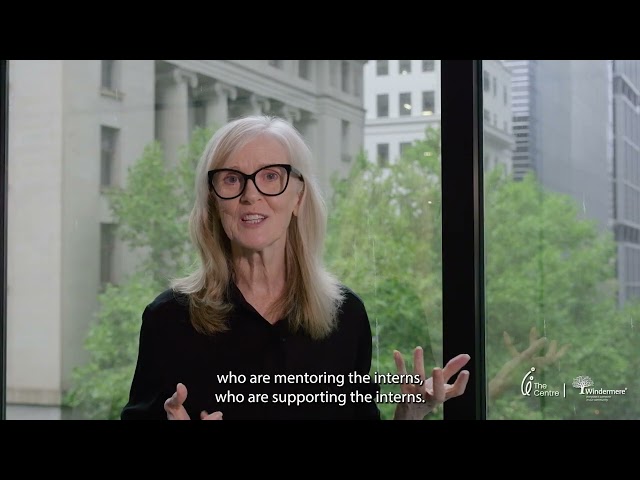
Building a workforce with Switch
Related articles

News
Building a pathway to a safe and stable home
11 Nov 2026
For many young people, moving out of the family home is an exciting step towards independence. Freedom, with the knowledge that they still have people to call for advice and a home they can always return to. Young people leaving care often don't have that safety net.
News
Learn, connect and share at the 2027 Carer Kafe Learning and Development Conference
05 Nov 2026
The Centre’s Carer Kafe program is pleased to announce the 2027 Carer Kafe Learning and Development Conference to be held at the Sofitel Melbourne on Collins from the 22 to 23 April, 2027.
News
New MARAM Child and Young Person Practice Guides released
04 Nov 2026
The Child and Young Person MARAM Practice Guides have been released, providing new guidance to support professionals working with children and young people affected by family violence.Last updated: 02 Apr 2025