Victoria’s Residential Care Learning and Development Strategy (RCLDS) in the National Spotlight
04 Mar 2025
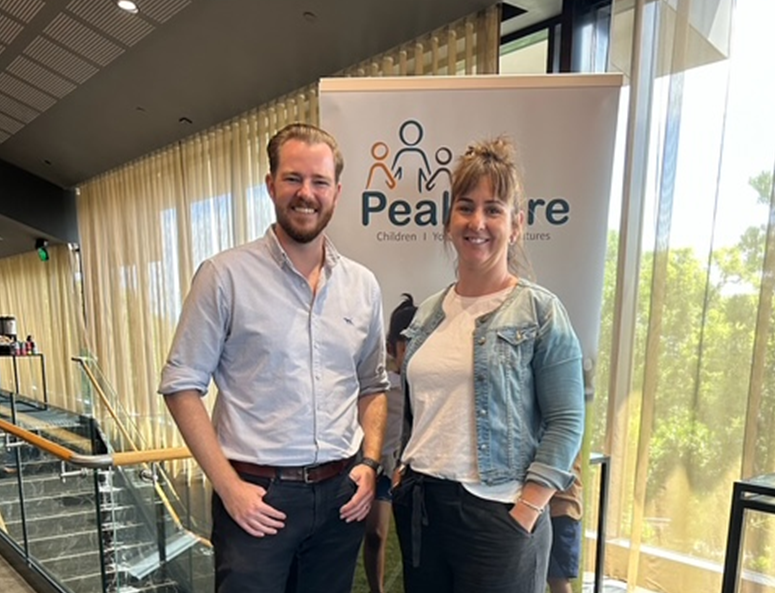
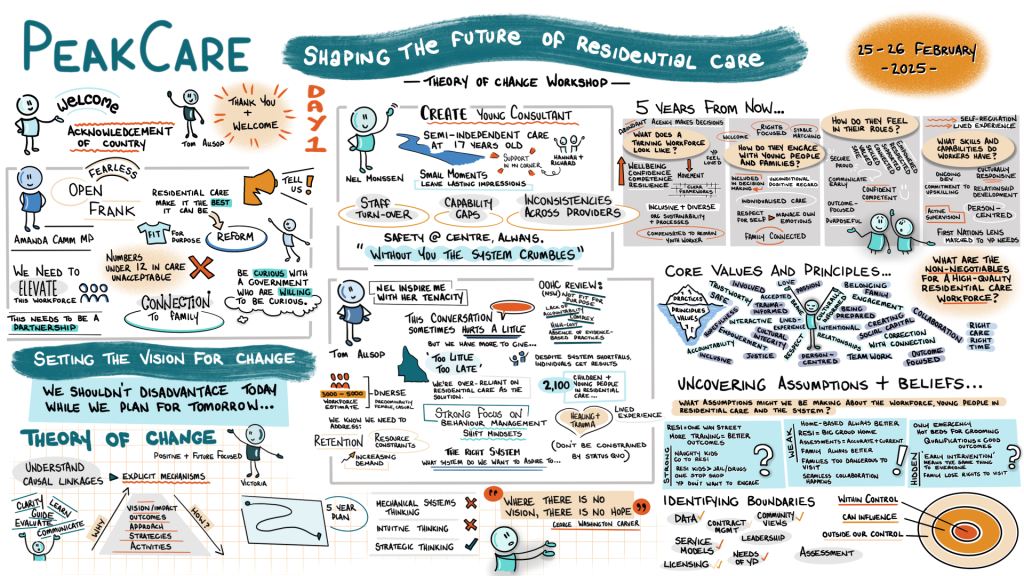
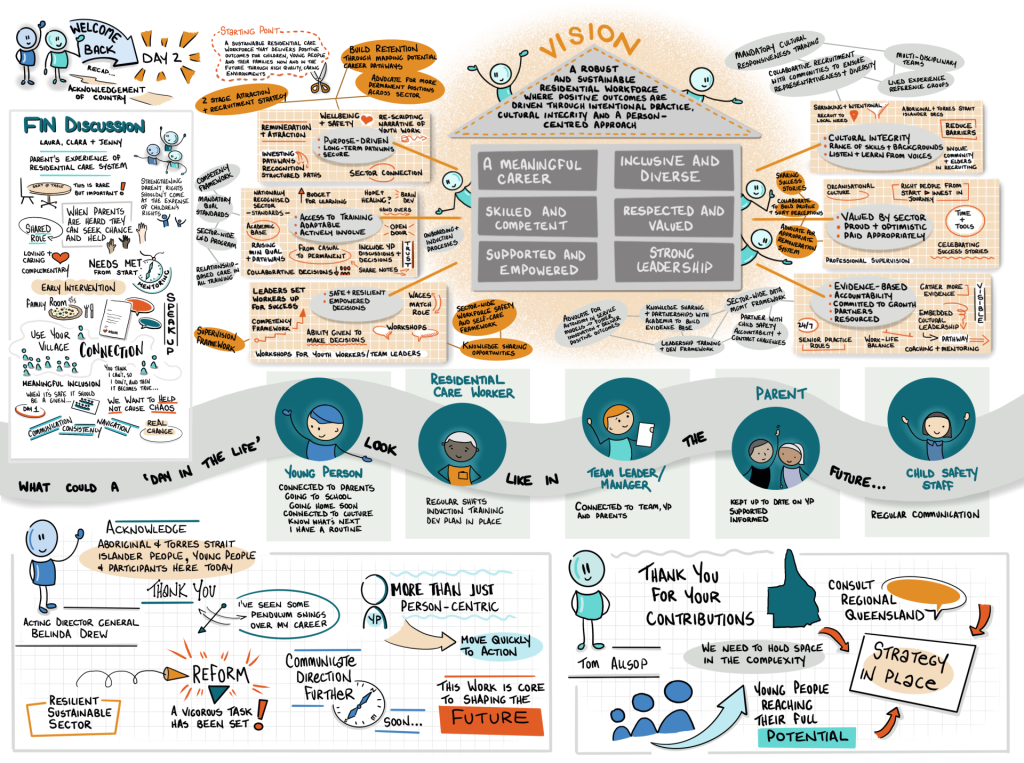
Recently, Leesa Scanlan, Program Manager – Residential Care Learning and Development, the Centre, was invited to Queensland to attend a two-day workshop hosted by PeakCare. The event brought together around 70 key stakeholders, including representatives from major care providers, the CREATE Foundation, individuals with lived experience as carers and parents, child safety representatives, academics, and Queensland’s Minister for Children, Youth Justice, and Multicultural Affairs.
The workshop was an opportunity to provide consultation following the release of the Too Little, Too Late report, a review of the progress made against the Queensland Residential Care roadmap completed by the Queensland Family and Child Commission. In the report, the QFCC recommended Queensland consider developing a residential care workforce strategy similar to Victoria’s RCLDS, using it as a model for implementation and a framework for guiding structured reforms to build a culture of learning and collaboration within its residential care workforce.
Why RCLDS stands out
Victoria’s RCLDS is one of the only programs of its kind in Australia, setting a benchmark for workforce development in residential care.
Over the past 20 years, it has made significant strides in ensuring a consistent, therapeutic approach to supporting young people in care. Unlike other states, Victoria provides therapeutic care to all young people in residential care, reinforcing a strong standard of practice across the sector.
Learning from Victoria’s approach
One of the key takeaways from the workshop was Queensland’s eagerness to learn from Victoria’s research and initiatives and the impact of therapeutic care, which is not yet embedded in their system.
The Queensland group is equally interested in the RCLDS Learning and Development Pathway project, launched last month in partnership with DFFH; this project aims to create a structured learning and development pathway to strengthen professional growth, career progression, and competencies, ensuring high-quality, trauma-informed care for young people in out-of-home care.
Victoria’s strength: collaboration and community
A major strength of Victoria’s approach to residential care is its culture of collaboration over competition.
The state’s residential care sector prioritises children’s needs, ensuring agencies work together towards a shared vision. Victoria’s agencies are committed to continuous improvement and are guided by a clear standard of care.
Victoria also fosters pride and community among its residential care workers. Initiatives like Resi Rocks, which was of great interest to the Queensland representatives, celebrate and acknowledge the dedication of the workforce, creating a supportive environment for those in this challenging but essential role.
Looking ahead
The discussions at the PeakCare workshop mark the beginning of an ongoing exchange of ideas between Queensland and Victoria.
As Queensland moves towards reforming its residential care system, it is looking to Victoria as a model for workforce planning, sector-wide training consistency, and the implementation of therapeutic care.
The commitment to ongoing dialogue and shared learning will help drive better outcomes for young people in care nationwide.
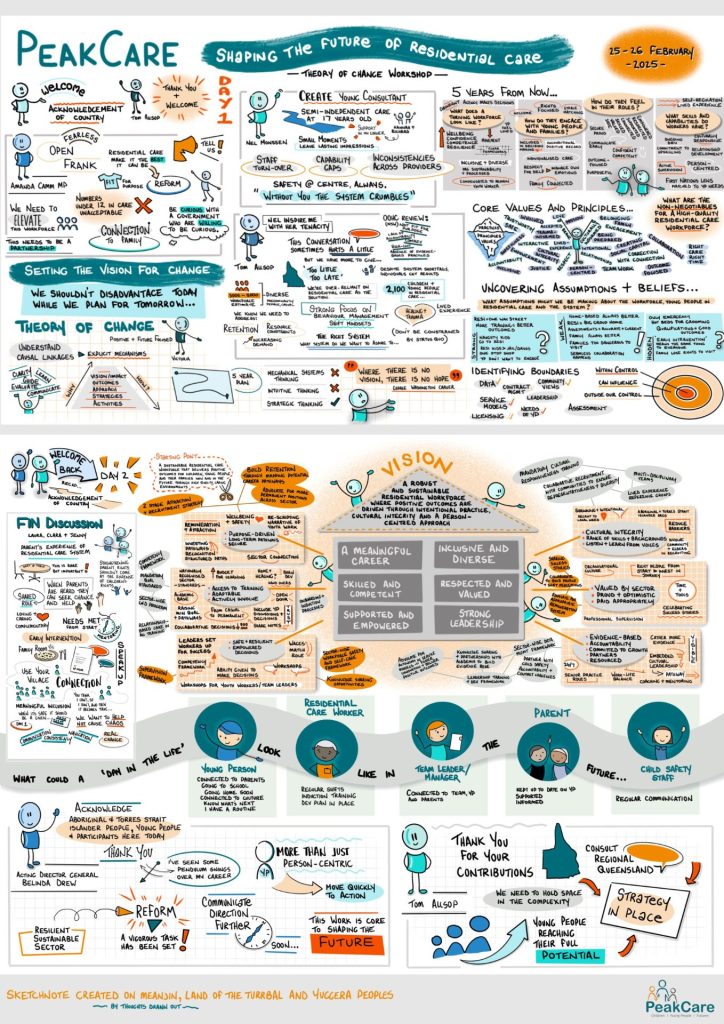
Graphic notes from the PeakCare workshop
Related articles

News
Building a pathway to a safe and stable home
11 Nov 2026
For many young people, moving out of the family home is an exciting step towards independence. Freedom, with the knowledge that they still have people to call for advice and a home they can always return to. Young people leaving care often don't have that safety net.
News
Learn, connect and share at the 2027 Carer Kafe Learning and Development Conference
05 Nov 2026
The Centre’s Carer Kafe program is pleased to announce the 2027 Carer Kafe Learning and Development Conference to be held at the Sofitel Melbourne on Collins from the 22 to 23 April, 2027.
News
New MARAM Child and Young Person Practice Guides released
04 Nov 2026
The Child and Young Person MARAM Practice Guides have been released, providing new guidance to support professionals working with children and young people affected by family violence.Last updated: 11 Mar 2025