How Switch is Making a Difference at Kids First
At Kids First, the Switch to Social Work program is doing more than preparing future social workers for the workforce—it’s energising teams, deepening practice, and strengthening the sector.
02 Sep 2025
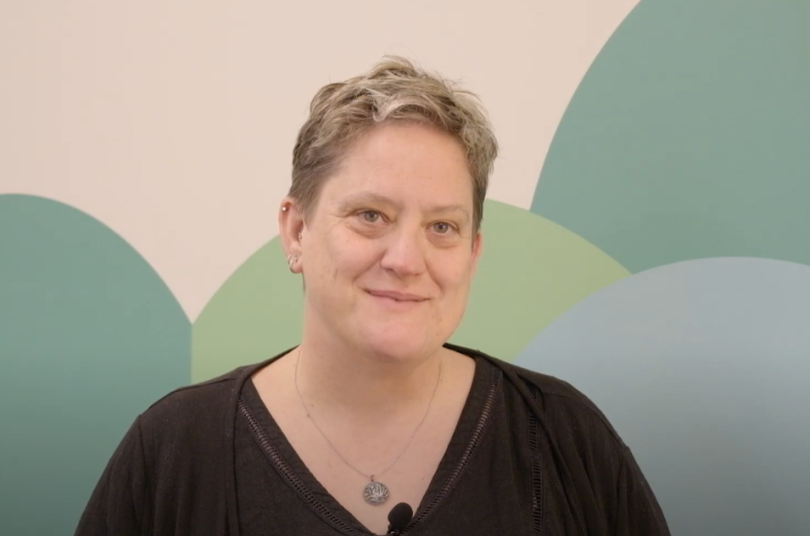
At Kids First, a leading child and family services organisation in Victoria, the Switch to Social Work program is doing more than preparing future social workers for the workforce—it’s energising teams, deepening practice, and strengthening the sector.
Team Leaders Diana Piki and Jodie Leahy have both supervised participants through the program. They sat down with the Centre to share how the program has been a game-changer —not just for the participants, but for the organisation as a whole, and the families they work with.
Starting strong
One of the key features of the program is the 30-day work experience in Year One, which gives participants a chance to connect with the organisation before beginning full-time employment in Year Two. This early exposure has proven to be a valuable foundation.
Reflecting on the benefits of this initial work experience, Diana said: “Having a participant come and sit with the teams for 30 days was really wonderful. It was a great opportunity to establish those relationships, to start to induct them and instil those values and those expectations.”
Jodie agreed, highlighting the impact their experience had on their social work identity.
“I actually think the way the program is set out with having the 30 days in Year One for them to connect to the organisation and the team has been really worthwhile,” she said. “I think it built their confidence and their understanding.”
Learning by doing
Participants at Kids First are not just observing—they’re actively involved in frontline work with Victorian children and families. They are co-located with experienced practitioners and contribute meaningfully to client support.
“They have been front and centre in working with the client… from the first phone call through to introducing them to their rights, to understanding the client’s needs and their vulnerabilities and their complexities,” said Diana.
Jodie explained her participant had gained insight from working with multiple practitioners, saying: “They see a practitioner do something and then think, ‘Oh, wow, that was amazing.’ Sometimes they say, ‘I’m going to steal that!’ for their own practice.”
Reflecting and growing together
The program places a strong emphasis on reflective practice and integrating theory with real-world experience. Participants are encouraged to think critically and share their insights with the team.
“They’re really quite critical thinkers around what they are learning at uni and how that fits with the work,” said Diana.
This reflective approach not only benefits the participants, but also their supervisors.
“The curious questions that the participants are asking them, they are having to think and slow down and explain why they’re doing what they’re doing,” said Jodie. “They’re enjoying working with the participants as well, because it’s professionally developing themselves as supervisors.”
Support that makes a difference
The Centre provides ongoing support to both participants and agencies, helping to ensure a consistent and collaborative experience across the sector. Through offering a dedicated Concierge Support Team, The Centre is working hard to ensure the program’s implementation works for all involved.
“Knowing that we’ve got access to ongoing support and supervision from The Centre is really useful… it’s nice to know that we’ve got contacts and people to support us,” said Diana.
She also highlighted the value of shared learning through free supervision training and support sessions.
“We were able to learn from other agencies around what’s working really well, and how we can support our participants better.”
Ready for what’s next
The program is designed to prepare participants for real-world practice— and it’s working. Participants are gaining the confidence and skills needed to transition into the workforce and make a meaningful impact.
“They’ll be able to go straight out into the workforce,” said Diana. “[The sector] will have practitioners that are able to tune in and be empathetic and already have a knowledge of some of the systemic navigation.”
“I’m excited to watch their confidence and their skills grow and be able to feed that back,” added Jodie.
Switch to Social Work is a partnership between The Centre for Excellence in Child and Family Welfare, La Trobe University, and the Department of Families, Fairness, and Housing.
To stay updated with the Switch to Social Work program, follow the Centre or sign up to our mailing list.
From observation to impact
Related articles

Case Study
Ask a Kinship Carer: “They all deserve a chance”
30 Oct 2025
We spoke to Patricia Barton, winner of this year's Victorian Protecting Children Awards Kinship Carer category, about empowering children and young people through kinship care.
Case Study
Ask a Kinship Carer: “Not all heroes wear capes”
06 Oct 2025
It's Kinship Care Week, and we're celebrating the amazing kinship carers who keep families connected, like Sasha Naboulsi, a carer with Anglicare Victoria.
Case Study
A participant’s perspective: Unlocking new opportunities through Switch to Social Work
17 Jul 2025
Empowering future leading child and family services practitioners through an innovative earn-and-learn approach.Last updated: 02 Sep 2025