Ask a Kinship Carer: "Not all heroes wear capes"
It's Kinship Care Week, and we're celebrating the amazing kinship carers who keep families connected, like Sasha Naboulsi, a carer with Anglicare Victoria.
06 Oct 2025

It’s Kinship Care Week!
This week, we’re celebrating the incredible kinship carers who help keep families connected and the vital role they play in our communities.
Kinship carers are incredibly important in keeping family connections strong, keeping children and young people connected to their community and culture, and providing them with a sense of continuity and belonging.
But what does being a kinship carer actually involve? We spoke to Sasha Naboulsi, a criminologist, mother of four, and kinship carer with Anglicare Victoria, to find out about her experience as a carer, and the passion that drives her.
Why did you become a kinship carer?
I firmly believe that every child deserves stability, love, and a strong sense of belonging, especially during challenging times. When I found out that a child in my family required care, I felt a profound responsibility to step forward. I understood that maintaining their connection to family, culture, and identity is vital for their emotional security and essential for their growth and healing.
What do you enjoy the most about being a kinship carer?
Having the chance to offer a loving and stable home to a child in need is something I truly cherish. Watching them grow, learn new skills, and gain confidence brings me great happiness. Even with the challenges, the love and trust we share make it one of the most fulfilling experiences I’ve ever had. Being called “Mum” has revealed the pure innocence of children and reinforced my belief that you don’t have to be a biological mother to be a source of safety and care.
Why is the work kinship carers do important?
The work kinship carers do is invaluable, because it gives children a safe, familiar, and loving place to call home when they need it most. By keeping children close to their family and community, kinship carers protect something deeply important—their cultural identity, their sense of belonging, and their emotional wellbeing. These connections provide children with comfort and strength.
Kinship care offers much more than just stability – it offers hope (sometimes we are their only hope!) It helps children heal and grow surrounded by the roots, traditions, and family stories that shape who they are. This connection to their heritage nurtures their self-worth and helps them believe in a brighter future filled with possibility.
What does being a kinship carer look like for you?
Being a kinship carer means opening my home and heart to a child who needs love, security, and belonging – whether long or short term. It’s about creating a safe space where they can feel seen, valued, and supported every single day. Our household has changed in so many ways – we’ve had to be flexible, patient, and understanding as the child adjusts and heals. We have learned how to truly be inclusive in many other ways,
It’s not always easy. There are challenging moments that test our strength and resilience, especially with having 4 children of my own, But the love we share and the progress the child makes fills our home with hope and joy. This experience has brought our family closer and taught us the true meaning of unconditional love and commitment. We have had to adjust so many things in our lifestyle, but it is always well worth it.
What do you wish other people knew about kinship care?
It can be overwhelming, especially when the support isn’t the same as what other carers might receive. But despite the challenges, knowing that you’re giving a child stability and a second chance at life makes it all worthwhile. Patience is key to achieving any success. You don’t have to be a perfectionist – love comes naturally, so just go with the flow.
Why would you encourage other people to become kinship carers?
I would encourage others to become kinship carers because sometimes, family is the best place for a child to heal and grow. When a child is going through a tough time, being with someone they know and trust can make all the difference.
Kinship care helps children feel safe and grounded while staying connected to who they are and where they come from. It’s not always easy, but it’s incredibly meaningful. You’re not just caring for a child – you’re giving them a sense of home, identity, and hope for the future. You are creating the next generation and potentially breaking the cycle!
Has being a kinship carer shaped the way you practice?
Being a kinship carer has reshaped me deeply. It has taught me not just about policies or plans, but about the hidden heartache, hope and resilience that every child and family have to bear. Now as a family service practitioner with Anglicare, I enter my work with a gentler spirit, knowing that being present, listening without judgment, and affirming a child’s culture and identity can mean everything when their world has felt uncertain. I’ve learned that love and consistency aren’t just heart‑warming ideals – they are lifelines. Since stepping into this role, I advocate more fiercely for carers and parents, fight for them to be seen and supported, because I’ve seen how this work doesn’t just change a household; it changes lives. The best part is I’ve created my own little humans who are always happy to take on my role and be hands on. They have voiced me being their role model, and as a parent I feel I have succeeded!
Anything else you’d like to add?
I want people to know that being a kinship carer often means carrying much more than visible responsibilities – it means navigating emotional and financial pressures, trauma, and sometimes very complex family dynamics and systemic challenges. Reach out for the support around you. It takes a village to raise a child and not all heroes wear capes.
Join us in celebrating and highlighting the incredible role of kinship carers by downloading our media pack, and amplifying these important stories throughout the week.
Related articles

Case Study
Ask a Kinship Carer: “They all deserve a chance”
30 Oct 2025
We spoke to Patricia Barton, winner of this year's Victorian Protecting Children Awards Kinship Carer category, about empowering children and young people through kinship care.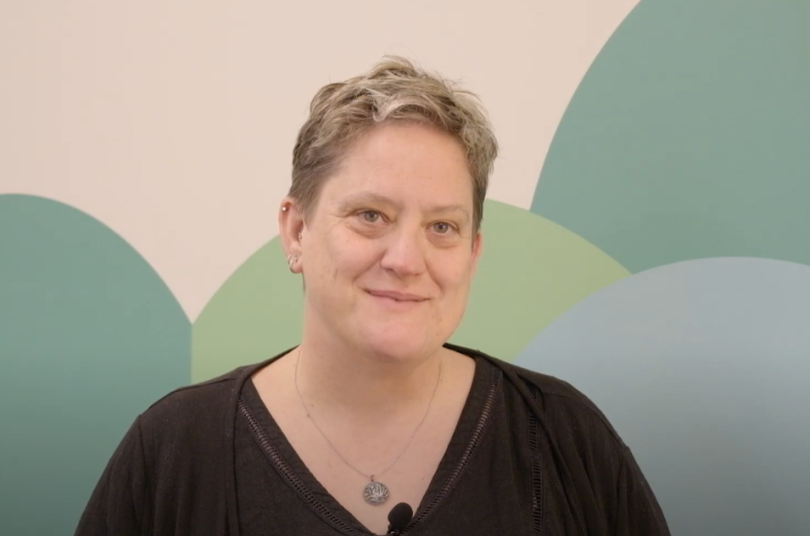
Case Study
How Switch is Making a Difference at Kids First
02 Sep 2025
At Kids First, the Switch to Social Work program is doing more than preparing future social workers for the workforce—it’s energising teams, deepening practice, and strengthening the sector.
Case Study
A participant’s perspective: Unlocking new opportunities through Switch to Social Work
17 Jul 2025
Empowering future leading child and family services practitioners through an innovative earn-and-learn approach.Last updated: 06 Oct 2025